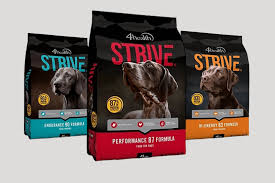
Figuring out the best dog food can feel like a puzzle sometimes. You want what’s good for your furry friend, and seeing terms like “4 health strive dog food” might make you pause. It’s okay if this sounds a little confusing at first.
We’re going to break down 4 health strive dog food in an easy way. Stick around, and we’ll show you exactly what you need to know, step by step. We’ll cover everything so you can feel confident about your dog’s meals.
Key Takeaways
- You will learn what “4 health strive dog food” means.
- We will explain the main ingredients to look for.
- You will discover how to choose the right food for your dog’s needs.
- Tips for making the switch to a new food are included.
- Information on where to find this type of dog food will be shared.
Understanding 4 Health Strive Dog Food
When people talk about “4 health strive dog food,” they are usually referring to a type of dog food that aims to support four main areas of a dog’s well-being: physical health, mental alertness, immune system support, and overall vitality. The “strive” part suggests a goal of reaching peak health. This kind of food often focuses on high-quality protein sources, essential vitamins and minerals, and beneficial additives like antioxidants and omega fatty acids.
It’s designed to provide complete and balanced nutrition that helps dogs live active, healthy lives. The goal is to offer a food that actively works towards a dog’s optimal condition rather than just maintaining a basic level of health.
Core Components of Healthier Dog Food
A food that strives for health will generally have a primary animal protein source listed first in the ingredients. This could be chicken, beef, lamb, fish, or other quality meats. Protein is vital for building and repairing tissues, and for energy.
Following the protein, you’ll often find healthy carbohydrates like sweet potatoes, brown rice, or peas, which provide sustained energy and fiber. Healthy fats, like those from chicken fat or fish oil, are also important for skin and coat health, as well as absorbing certain vitamins.
Beyond the main ingredients, look for added vitamins and minerals. Vitamin E and C are common antioxidants that help support the immune system. Omega-3 and Omega-6 fatty acids are crucial for a shiny coat and healthy skin, and can also help with inflammation.
Some brands might also include prebiotics and probiotics, which are good for gut health, aiding digestion and nutrient absorption. These components work together to create a food that truly supports a dog’s comprehensive health.
Why Choose Foods That Strive for Health
Choosing a dog food that actively works to improve your dog’s health offers several advantages. It’s not just about filling their stomach; it’s about providing the building blocks for a long, happy, and energetic life. Dogs fed with high-quality ingredients often show better digestion, leading to fewer tummy troubles and smaller, firmer stools.
Their skin is more likely to be healthy, with less itching and a glossier coat.
Furthermore, a diet focused on “striving” for health can support a stronger immune system, making your dog less susceptible to illnesses. This can translate to fewer vet visits and lower healthcare costs over time. For active dogs or those prone to certain health issues, specific formulas can provide targeted support.
For example, foods with joint support ingredients like glucosamine and chondroitin can help older dogs or large breeds maintain mobility. A holistic approach to nutrition means addressing all aspects of a dog’s well-being.
Key Ingredients and Their Roles
The ingredients in any dog food tell a story about its quality and purpose. When we look at foods designed to help dogs “strive” for health, certain components stand out because of their vital roles. These are not just fillers; they are functional elements that contribute directly to your dog’s physical and mental state.
Understanding these key ingredients empowers you to make informed choices that benefit your canine companion.
High-Quality Protein Sources
Protein is fundamental for dogs, acting as the primary building block for muscles, bones, skin, and fur. Foods aiming for optimal health will feature a named meat source as the first ingredient. This ensures that the protein is easily digestible and provides essential amino acids.
For example, chicken, lamb, beef, or fish are all excellent choices. The quality of the protein matters; it should be from a reputable source and not contain by-products that are less nutritious.
Amino acids are the smaller units that make up proteins, and they are crucial for various bodily functions. Some amino acids are considered essential, meaning dogs cannot produce them themselves and must get them from their diet. A diet rich in high-quality animal protein ensures that your dog receives a complete profile of these essential amino acids.
This supports muscle development, helps in tissue repair after exercise, and is vital for a strong immune system. Without sufficient, quality protein, dogs can experience muscle loss, poor coat quality, and reduced energy levels.
- Chicken Meal: A concentrated source of chicken protein, providing essential amino acids for muscle development and repair.
- Lamb: Easily digestible and often a good option for dogs with sensitivities to other proteins.
- Salmon: Rich in Omega-3 fatty acids, beneficial for skin, coat, and joint health.
- Pea Protein: A plant-based protein that can supplement animal protein, offering a good source of amino acids.
Beneficial Carbohydrates and Fiber
While protein gets a lot of attention, carbohydrates are also an important energy source for dogs, especially active ones. However, the type of carbohydrate matters greatly. Foods focused on health will opt for complex carbohydrates that provide sustained energy release rather than quick spikes and crashes.
These also often contain beneficial fiber. Fiber plays a crucial role in digestive health, helping to regulate bowel movements and promote a healthy gut environment.
Sources like sweet potatoes, brown rice, barley, and oats are common in high-quality dog foods. Sweet potatoes, for instance, are packed with vitamins A and C and are a good source of fiber. Brown rice is easily digestible and provides B vitamins.
Fiber, in general, acts as a prebiotic, feeding the beneficial bacteria in your dog’s gut. This can lead to improved nutrient absorption and a stronger immune system. Whole grains also contribute essential minerals and can help manage blood sugar levels.
- Sweet Potatoes: Provide complex carbohydrates for energy, plus vitamins A and C and dietary fiber.
- Brown Rice: A whole grain that is easily digestible and a good source of B vitamins and fiber.
- Barley: Offers a good source of fiber, helping with digestive regularity and satiety.
- Peas: Contribute fiber, vitamins, and minerals, as well as some protein.
Healthy Fats for Skin and Coat
Fats are often misunderstood, but they are essential for a dog’s health. In high-quality dog foods, fats provide concentrated energy, help absorb fat-soluble vitamins (A, D, E, and K), and are crucial for healthy skin and a shiny coat. Omega-3 and Omega-6 fatty acids are particularly important.
Omega-6 fatty acids, commonly found in vegetable oils and animal fats, are important for skin barrier function. Omega-3 fatty acids, often from fish oil or flaxseed, have anti-inflammatory properties and are vital for brain health and reducing joint discomfort.
The ratio of Omega-3 to Omega-6 fatty acids is also significant. An imbalance can lead to inflammation. Look for foods that have a good balance, often achieved by including sources like salmon oil, flaxseed, or canola oil.
These fats contribute to a healthy skin barrier, which is the first line of defense against environmental irritants and pathogens. A well-nourished skin and coat system means less dryness, less itching, and a generally more comfortable dog.
- Chicken Fat: A good source of Omega-6 fatty acids, providing energy and supporting skin and coat health.
- Fish Oil (e.g., Salmon Oil): Rich in EPA and DHA, essential Omega-3 fatty acids that reduce inflammation and support brain function.
- Flaxseed: Provides Alpha-Linolenic Acid (ALA), an Omega-3 fatty acid that the body can convert into EPA and DHA.
- Sunflower Oil: A source of Omega-6 fatty acids and Vitamin E, supporting skin health.
Choosing the Right 4 Health Strive Dog Food
Not all dogs are the same, and a food that perfectly suits one might not be ideal for another. When you’re looking for a “4 health strive dog food,” it means you’re seeking the best possible nutrition for your specific dog. This requires considering their unique characteristics and needs.
Making the right choice ensures that the food truly contributes to their well-being across all four key areas: physical health, mental alertness, immune system strength, and overall vitality.
The first step is to understand your dog. Factors like age, breed, activity level, and any existing health conditions play a huge role. A young, energetic puppy will have different nutritional requirements than a senior dog who prefers napping.
Similarly, a large breed dog might need support for joint health, while a small breed might benefit from smaller kibble size. By paying attention to these individual factors, you can narrow down the options and select a food that will truly help your dog thrive.
Considering Your Dog’s Life Stage
A dog’s nutritional needs change dramatically throughout their life. Puppyhood is a time of rapid growth and development, requiring higher levels of protein, calories, and specific nutrients like calcium and phosphorus for strong bones. Foods formulated for puppies often have a higher density of these nutrients to support this critical phase.
They also need adequate energy to fuel their boundless curiosity and playfulness.
As dogs mature into adulthood, their energy needs might decrease slightly, and the focus shifts to maintaining their health and preventing future issues. Adult formulas provide balanced nutrition for sustained energy, strong muscles, and a healthy immune system. For senior dogs, the emphasis often shifts again.
They may require fewer calories to prevent weight gain, as their metabolism can slow down. Additionally, ingredients that support joint health (like glucosamine and chondroitin) and cognitive function (like antioxidants) become more important. Senior formulas often feature easily digestible ingredients to accommodate a potentially slower digestive system.
- Puppies: Require higher protein and calorie content for growth and development. Look for formulas specifically labeled for puppies.
- Adults: Need balanced nutrition for maintenance. Formulas should support energy levels and overall health.
- Seniors: May need fewer calories and added nutrients for joint health and cognitive support. Look for “senior” or “mature adult” formulas.
Activity Level and Breed Size
Your dog’s lifestyle is a major factor in determining their ideal diet. A highly active dog, like one that participates in agility or long-distance running with you, will burn significantly more calories than a dog that enjoys short walks and lounging. These highly active dogs need a food with a higher calorie density and potentially more protein to support muscle maintenance and recovery.
They also need sufficient carbohydrates for sustained energy during their activities.
Conversely, a less active or sedentary dog requires a food with controlled calorie levels to prevent unhealthy weight gain. Obesity can lead to numerous health problems, including diabetes, joint issues, and heart disease. For these dogs, a “weight management” formula might be appropriate, focusing on high fiber content to help them feel full and satisfied with fewer calories.
Breed size also plays a role. Large and giant breeds are prone to certain joint issues like hip dysplasia, so foods containing glucosamine and chondroitin are highly beneficial. Small breeds, on the other hand, may benefit from smaller kibble sizes that are easier to chew and digest.
- High Activity Dogs: Need calorie-dense foods with ample protein and carbohydrates to fuel their energy needs.
- Low Activity Dogs: Benefit from controlled-calorie formulas to prevent weight gain.
- Large Breeds: Should have foods that support joint health, often with added glucosamine and chondroitin.
- Small Breeds: May do better with smaller kibble sizes for easier consumption.
Addressing Specific Health Concerns
Many dogs can benefit from specialized diets designed to address particular health issues. If your dog suffers from allergies, for example, you would look for foods with limited ingredients or novel protein sources (proteins they haven’t been exposed to before) like duck, venison, or fish. Hypoallergenic diets aim to minimize the risk of triggering an allergic reaction.
For dogs with sensitive stomachs, easily digestible ingredients and added prebiotics or probiotics can be very helpful.
Dogs with joint problems might require diets enriched with omega-3 fatty acids, glucosamine, and chondroitin. These ingredients help reduce inflammation and support cartilage health, potentially improving mobility and reducing pain. Similarly, if your veterinarian has identified concerns about your dog’s heart health, kidney function, or urinary tract, there are prescription diets specifically formulated to manage these conditions.
Always consult your veterinarian before switching to a specialized diet, as they can provide the best recommendation based on a proper diagnosis and your dog’s overall health profile.
- Allergies: Consider limited ingredient diets or those with novel protein sources.
- Sensitive Stomachs: Look for easily digestible ingredients and probiotics.
- Joint Issues: Seek foods fortified with glucosamine and chondroitin, and omega-3 fatty acids.
- Skin and Coat Problems: Diets rich in omega fatty acids (from fish oil or flaxseed) can improve skin hydration and coat sheen.
Transitioning to a New Dog Food
Switching your dog to a new food, even one that is superior, needs to be done thoughtfully. A sudden change in diet can lead to digestive upset, such as vomiting or diarrhea, which can be stressful for both you and your dog. The goal is to introduce the new food gradually, allowing your dog’s digestive system to adjust to the new ingredients and formulations.
This process ensures a smooth transition and helps your dog benefit fully from the new nutrition without experiencing discomfort.
The key is patience. By slowly increasing the proportion of the new food while decreasing the old, you give your dog’s gut bacteria time to adapt. This gradual method is far more likely to result in a happy, healthy dog enjoying their new meals.
Always monitor your dog for any signs of digestive distress during the transition period and adjust the pace if needed. A smooth switch means your dog can start reaping the benefits of their new diet without interruption.
A Gradual Mixing Approach
The most common and recommended method for transitioning dog food is gradual mixing. This involves combining a small amount of the new food with the majority of the old food for a few days, then slowly increasing the new food’s percentage while decreasing the old food’s. This allows your dog’s digestive system to get used to the new ingredients and nutrient profiles.
It’s a gentle way to introduce change.
Typically, this transition period spans about 7 to 10 days, but some dogs may need a little longer. You start with about 25% new food and 75% old food for the first couple of days. Then, you might move to a 50/50 mix for a few days.
After that, you’d progress to 75% new food and 25% old food. Finally, you’d reach 100% new food. This step-by-step process minimizes the risk of digestive upset.
- Days 1-3: 25% New Food, 75% Old Food
- Days 4-6: 50% New Food, 50% Old Food
- Days 7-9: 75% New Food, 25% Old Food
- Day 10 onwards: 100% New Food
Monitoring Your Dog During the Change
While transitioning, it’s important to keep a close eye on your dog’s behavior and physical signs. Look for any changes in their appetite, energy levels, stool consistency, and overall demeanor. A healthy stool is typically firm and well-formed.
If you notice very loose stools, diarrhea, or constipation, it might mean the transition is happening too quickly for your dog. Vomiting is also a sign that the change might be too abrupt.
If you observe any digestive upset, don’t panic. Simply revert to the previous ratio of food that your dog was tolerating well for a few more days before trying to increase the new food again, perhaps at a slower pace. Sometimes, a dog might show some initial pickiness with the new food.
If this happens, you can try warming the new food slightly (just a little, not hot) to enhance its aroma, or mix in a very small amount of a safe, low-calorie topper like plain cooked chicken broth (ensure it has no onion or garlic) to make it more appealing.
- Observe stool consistency: Firm and well-formed is ideal. Loose or watery stools indicate potential issues.
- Check for vomiting or diarrhea: These are clear signs the transition may be too fast.
- Monitor appetite: A sudden disinterest in food might signal a problem.
- Note energy levels: A significant drop in energy could be related to dietary changes.
Where to Find 4 Health Strive Dog Food
Once you’ve identified a “4 health strive dog food” that you believe will be a good fit for your dog, the next step is knowing where to purchase it. These types of premium or specialized dog foods are often available through various retail channels. The key is to find a reliable source that consistently offers the product you need.
Availability can sometimes depend on your location and the specific brand you choose, but generally, these foods are accessible with a little searching.
Many pet owners find convenience in online retailers, which often carry a wide selection of brands and formulas. However, local pet supply stores can also be excellent resources, often staffed with knowledgeable employees who can offer personalized advice. Whichever method you choose, ensure you are buying from a reputable seller to guarantee the quality and freshness of the food for your dog.
Online Pet Retailers
The internet has made it incredibly easy to find a vast array of dog food options. Major online pet retailers often stock a comprehensive selection of brands, including those that focus on health-driven nutrition. You can easily compare prices, read customer reviews, and often find detailed ingredient lists and nutritional information readily available on product pages.
Many online stores also offer subscription services, which can ensure you never run out of your dog’s food and sometimes come with discounts.
When shopping online, it’s wise to check the shipping costs and delivery times to ensure they meet your needs. Also, be sure to verify the expiration dates of the products when they arrive. Look for established online stores with good return policies in case the food isn’t a good fit for your dog.
Some larger e-commerce platforms also have pet food sections, but it’s generally best to stick to retailers that specialize in pet products for the widest selection and potentially better expertise.
- Major Online Pet Stores: Examples include Chewy, Amazon, and Petco.
- Subscription Services: Offer recurring deliveries, often with discounts.
- Brand Websites: Some manufacturers sell directly to consumers through their own online stores.
Local Pet Supply Stores
For those who prefer to shop in person or seek immediate availability, local pet supply stores are an excellent option. These stores often carry a curated selection of high-quality dog foods, and their staff are frequently well-informed about different brands and their benefits. They can be a great resource for getting immediate answers to questions about ingredients, suitability for specific breeds, or dietary needs.
Shopping locally also allows you to see the product packaging and kibble size firsthand. It supports local businesses in your community. Many independent pet stores pride themselves on offering unique or specialized brands that might not be as widely available online.
If you’re unsure about making a switch or need advice on specific formulations, a conversation with a knowledgeable store employee can be invaluable.
- Independent Pet Boutiques: Often carry niche and premium brands.
- National Pet Store Chains: Like PetSmart and Petco, offer a broad range of options.
- Farm and Feed Stores: Some may carry higher-end dog food lines.
Common Myths Debunked
Myth 1: All “Grain-Free” Foods Are Healthier
For a long time, grain-free diets were promoted as the healthiest option. However, recent research has raised concerns about a potential link between certain grain-free diets and a heart condition in dogs called Dilated Cardiomyopathy (DCM). While not all grain-free foods are problematic, the FDA has been investigating this connection.
Grains like corn, wheat, and rice are digestible sources of carbohydrates and nutrients for many dogs. The issue seems to be more about the overall balance of nutrients and potentially with certain legumes or potatoes used as substitutes for grains in some grain-free formulas. It is crucial to consult with your veterinarian to determine if a grain-free diet is appropriate for your dog, rather than assuming it is always the best choice.
Myth 2: “Natural” and “Organic” Mean the Same Thing
The terms “natural” and “organic” are often used interchangeably, but they have distinct meanings, especially in pet food labeling. “Natural” generally means that the ingredients are derived from plant, animal, or mined sources, with minimal processing and no artificial ingredients, colors, or flavors. However, “natural” does not have a strict regulatory definition in the same way that “organic” does.
“Organic,” on the other hand, is a term that is strictly regulated by the USDA. Organic pet foods must be made with at least 95% organically produced ingredients, and these ingredients must be grown without synthetic fertilizers, pesticides, or genetically modified organisms (GMOs). Therefore, an organic product is always natural, but a natural product is not necessarily organic.
Myth 3: Feeding Raw Food Is Always Best for Dogs
Raw food diets for dogs have gained popularity, with proponents citing benefits like improved digestion and coat health. However, raw diets also carry significant risks. One major concern is the potential for bacterial contamination, such as Salmonella and E.
coli, which can pose a health risk not only to the dog but also to humans in the household, especially children, the elderly, and immunocompromised individuals. Furthermore, raw diets can be nutritionally unbalanced if not meticulously prepared by a veterinary nutritionist, potentially leading to deficiencies or excesses of certain nutrients that can harm your dog’s health over time. It’s essential to weigh the potential benefits against these serious risks and discuss any desire to feed a raw diet with your veterinarian.
Frequently Asked Questions
Question: What does “4 health strive dog food” actually mean?
Answer: It refers to dog food brands or formulations that aim to support four key areas of a dog’s health: physical well-being, mental sharpness, a strong immune system, and overall vitality through balanced nutrition.
Question: Are all high-protein dog foods good for my dog?
Answer: High protein is beneficial, but the quality and source matter most. Look for named meat sources as the first ingredients. Too much protein without balanced nutrients can still be an issue for some dogs.
Question: How often should I feed my dog?
Answer: Most adult dogs do well with two meals per day. Puppies need to eat more frequently, usually three to four times a day, while senior dogs might benefit from two smaller meals.
Question: Can I mix wet and dry food for my dog?
Answer: Yes, mixing wet and dry food can be a great way to increase palatability and hydration. Just be sure to adjust the total daily calorie intake to avoid overfeeding.
Question: What should I do if my dog suddenly stops eating their food?
Answer: A sudden loss of appetite can signal a health problem. It’s best to consult your veterinarian to rule out any underlying medical issues before assuming it’s just pickiness.
Summary
Choosing a “4 health strive dog food” means selecting nutrition that actively promotes your dog’s best health. You’ve learned about key ingredients like quality proteins, healthy carbs, and beneficial fats. We explored how to match food to your dog’s age, activity, and specific needs.
Remember to switch foods slowly. Now you can feel more confident in finding the right food to help your dog live a vibrant and healthy life.