It can feel tough when your skin gets red and your tummy feels upset all at once. Many people find it hard to figure out what’s causing these problems, especially when they’re just starting to pay attention. You might wonder if the foods you eat are making your skin break out or if the products you use are upsetting your stomach.
It’s a common puzzle, but don’t worry. We’ll break down 4 health sensitive skin and stomach issues in a simple way. We’ll show you easy steps to help you feel better.
Key Takeaways
- You will learn how common foods can affect both your skin and stomach.
- Discover simple swaps for products that might be causing reactions.
- Understand how stress plays a role in skin and stomach sensitivity.
- Find out how to build a daily routine that supports both.
- Get clear tips for managing flare-ups when they happen.
Understanding 4 Health Sensitive Skin And Stomach Connections
Many people experience issues where their skin reacts easily and their stomach feels sensitive. This often happens together because our body systems are very connected. What we put inside our bodies directly impacts how our skin looks and feels, and vice versa.
When our gut is unhappy, it can show up as skin problems like redness or breakouts. Likewise, stress or certain environmental factors can upset both our digestion and our skin. It’s like a two-way street for discomfort.
Figuring out what triggers these reactions can feel like a big task. You might try changing your diet, switching skincare products, or avoiding certain places. Sometimes, the link isn’t obvious.
This section helps explain why this connection is so common and how to start seeing the signs. We’ll look at everyday things that can cause trouble.
Dietary Triggers For Sensitive Skin And Stomach
What you eat is a huge part of how your skin and stomach feel. Certain foods can cause inflammation throughout your body. This inflammation can lead to redness, itching, or rashes on your skin.
At the same time, these same foods can irritate your stomach lining, causing bloating, gas, or discomfort. It’s a cycle that can be hard to break without knowing the culprits.
Some common triggers include spicy foods, dairy products, gluten, and processed sugars. For example, someone with a sensitive stomach might get heartburn after eating a very spicy curry. That same curry, with its chili peppers and other spices, could also make their skin feel hot and itchy.
Even if you don’t have a diagnosed allergy, your body might simply react more strongly to these items. It’s about finding your personal balance.
Learning to identify these foods is a key step. This doesn’t mean you have to cut out everything you love. It means becoming aware of how your body responds.
Keeping a food diary can be really helpful. You can jot down what you eat and then note any changes in your skin or stomach. Over time, patterns will start to appear.
Examples Of Food Reactions
Imagine Sarah. She loves cheese and often gets a rash on her face a day after eating pizza. Her stomach also feels heavy and gassy.
She suspected dairy might be an issue. When she cut out most dairy for a month, her skin cleared up, and her stomach felt much lighter. This shows a direct link.
Another person, Tom, noticed his skin becoming very red after drinking coffee. He also felt jittery and his stomach would ache. Cutting down on coffee and switching to herbal tea made his skin calmer and his stomach more settled.
These simple changes, based on observing body signals, can make a big difference.
Skincare Product Sensitivities
Just like food, the products you put on your skin can also cause problems. Many skincare items contain ingredients that can be harsh. These can include artificial fragrances, certain preservatives, or strong chemicals.
When these get on sensitive skin, they can cause redness, burning, or allergic reactions. Surprisingly, some of these same ingredients can also be absorbed into your body or cause you to ingest them indirectly. This can lead to stomach upset, especially if you touch your mouth after applying a product.
Think about lip balms or hand creams. You might accidentally lick your lips or touch your mouth after using them. If the product has an ingredient that irritates your stomach, you’ll feel it.
Even washing your hands and then preparing food can transfer ingredients that might later be consumed. This is why choosing gentle, hypoallergenic products is so important for overall well-being.
It’s not just about what’s on the outside. Our skin is our largest organ, and it absorbs things. If you use a face wash with strong sulfates, and then rinse your hands and later eat, those sulfates might end up in your system.
This can lead to a double whammy of skin irritation and stomach discomfort. Looking for “free from” labels can be a good start.
Choosing Gentle Products
When shopping for skincare, look for products labeled “fragrance-free,” “hypoallergenic,” or “for sensitive skin.” These often have fewer common irritants.
- Fragrance-Free: Artificial scents are a major cause of skin reactions.
- Hypoallergenic: This means the product is less likely to cause allergies, though it’s not a guarantee for everyone.
- Minimal Ingredients: Products with shorter ingredient lists often have fewer potential irritants.
- Natural Ingredients: While not always true, many people with sensitive skin find plant-based ingredients gentler.
Read the labels carefully. If you see a long list of chemicals you don’t recognize, it might be best to avoid it. Patch testing a new product on a small area of skin, like your inner wrist, before using it on your face can also help prevent widespread reactions.
The Role Of Stress In Sensitive Conditions
Stress is a major player when it comes to both sensitive skin and stomach problems. When you are stressed, your body releases hormones like cortisol. These hormones can increase inflammation.
For your skin, this can mean flare-ups of conditions like eczema or acne. For your stomach, it can cause symptoms like nausea, indigestion, or even diarrhea.
This connection is often called the gut-brain axis. Your brain and your gut are constantly communicating. When your brain is stressed, it sends signals to your gut, and vice versa.
This means that feeling anxious can directly lead to stomach cramps, and a sensitive gut can make you feel more anxious. It’s a loop that can be hard to escape.
Learning to manage stress is therefore essential for managing sensitive skin and stomach issues. Simple techniques like deep breathing exercises, meditation, or gentle yoga can make a big difference. Even taking a few minutes each day to do something you enjoy, like listening to music or spending time in nature, can help lower your stress levels.
Stress Management Techniques
- Deep Breathing: Taking slow, deep breaths can calm your nervous system quickly.
- Mindfulness: Paying attention to the present moment without judgment can reduce anxious thoughts.
- Light Exercise: Walking, swimming, or gentle stretching can release tension and improve mood.
- Adequate Sleep: Getting enough rest is crucial for both physical and mental recovery.
- Hobbies: Engaging in activities you find relaxing and enjoyable provides a mental break.
You don’t need to become a meditation master. The goal is to find what works for you and to make it a regular part of your week. Even small efforts to de-stress can have a positive impact on how your skin and stomach feel.
Building A Supportive Routine
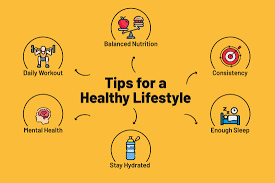
Creating a daily routine that supports both your skin and your stomach is key to long-term well-being. This involves a holistic approach, looking at what you eat, what you put on your skin, and how you manage your stress. Consistency is more important than perfection.
Small, regular steps add up.
A good routine starts with a balanced diet. Focus on whole, unprocessed foods. Include plenty of fruits, vegetables, and lean proteins.
Staying hydrated by drinking enough water is also vital for both skin health and digestion. For your skin, a gentle, consistent skincare regimen is important. This usually involves cleansing, moisturizing, and protecting your skin from the sun.
Don’t forget about sleep and movement. Aim for 7-9 hours of quality sleep each night. Regular, gentle exercise can improve digestion and reduce stress.
The goal is to create a lifestyle that naturally calms your system rather than agitating it.
Morning Routine Example
- Hydrate: Drink a glass of water upon waking.
- Gentle Cleanse: Wash your face with a mild cleanser.
- Nourishing Breakfast: Eat a balanced meal, perhaps oatmeal with berries or eggs with avocado.
- Mindful Moment: Take 5 minutes for deep breathing or quiet reflection.
- Sun Protection: Apply sunscreen, even on cloudy days.
Evening Routine Example
- Gentle Cleansing: Remove makeup and cleanse your face thoroughly but gently.
- Soothing Moisturizer: Apply a calming moisturizer to your skin.
- Light Snack (if needed): Opt for something easy to digest like a banana or a small bowl of yogurt.
- Wind Down: Avoid screens for an hour before bed. Read a book or listen to calming music.
- Consistent Sleep: Go to bed around the same time each night.
Common Myths Debunked
Myth 1: Sensitive skin and stomach issues are always allergies.
Reality: While allergies can cause sensitivity, many reactions are due to intolerance or irritation rather than a true allergic response. Your body might simply react more strongly to certain ingredients or foods without it being a dangerous allergic reaction. It’s more common to have sensitivities that cause discomfort than severe allergies.
Myth 2: You have to eliminate all “fun” foods to feel better.
Reality: The goal is balance and moderation, not strict deprivation. Many people can enjoy a wide variety of foods by identifying their personal triggers and enjoying trigger foods only occasionally or in smaller amounts. Learning your limits is key.
Myth 3: Only expensive skincare products work for sensitive skin.
Reality: High price doesn’t always equal gentleness. Many effective skincare products for sensitive skin are affordable and found in drugstores. The focus should be on simple, minimal ingredient lists, not brand names or cost.
Myth 4: Stress only affects your mind, not your body.
Reality: Stress has profound physical effects. It impacts hormones, inflammation, and the gut-brain connection, directly influencing both skin health and digestive function. Managing stress is a vital part of physical health.
Frequently Asked Questions
Question: How quickly will I see results after changing my diet?
Answer: Results vary. Some people notice changes within a few days, while others might take a few weeks to see a significant difference. Consistency is important.
Question: Can I use the same products on my face and body if I have sensitive skin?
Answer: Generally, yes, if both products are designed for sensitive skin. However, facial skin is often more delicate, so dedicated facial cleansers and moisturizers are usually best.
Question: Is it normal for sensitive skin and stomach issues to come and go?
Answer: Yes, it’s quite common. Flare-ups can be triggered by changes in diet, stress levels, weather, or exposure to irritants.
Question: How do I know if a reaction is an irritation or an allergy?
Answer: Irritation usually causes immediate redness or burning. Allergies can cause itching, hives, or swelling and might appear a bit later. If you’re unsure, it’s best to consult a doctor.
Question: Can probiotics help with sensitive skin and stomach issues?
Answer: Many people find that probiotics can support gut health, which in turn may improve skin clarity and reduce stomach discomfort. It’s a good idea to talk to a healthcare provider before starting any new supplements.
Wrap Up
Managing 4 health sensitive skin and stomach concerns is about making smart choices every day. You can find comfort by identifying food and product triggers. Simple steps like gentle routines and stress relief make a real difference.
Listen to your body and be patient as you discover what works best for you.