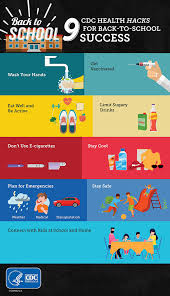
Getting ready for school can feel like a big job, especially for parents and kids starting out. You want to make sure your children are healthy and happy for the school year. It might seem tricky to know where to start with all the different things to think about.
But don’t worry! We’ll walk through it all step-by-step. This guide will help you get organized with simple tips.
Key Takeaways
- Prioritizing sleep helps children stay focused and healthy at school.
- Good nutrition fuels young minds for learning and play.
- Regular physical activity keeps bodies strong and minds sharp.
- Washing hands and practicing good hygiene prevents illness.
- Managing stress helps children adjust happily to the school routine.
- Creating a safe and healthy home environment supports overall well-being.
Essential Back To School Health Tips
Preparing for the school year involves more than just buying new clothes and supplies. A healthy start sets the stage for a successful and enjoyable academic year. Focusing on well-being ensures children have the energy, focus, and resilience they need to learn and thrive.
These foundational health practices help prevent common illnesses and support mental and emotional readiness for the demands of school life. We’ll explore key areas like sleep, nutrition, activity, and hygiene to make this transition smoother for everyone.
The Power of Sleep for Students
Sleep is a cornerstone of good health for children, especially as they head back to school. During sleep, the body and brain grow, repair, and consolidate memories. Lack of adequate sleep can lead to problems with concentration, mood swings, and a weakened immune system.
This makes children more susceptible to getting sick, missing valuable school days. Establishing a consistent sleep schedule is vital for ensuring children get the restorative rest they need to perform their best.
Why Enough Sleep Matters
When children don’t get enough sleep, their ability to focus in class drops significantly. They might feel tired, irritable, and have trouble remembering new information. This can affect their grades and overall school experience.
For example, a study published in the Journal of School Health found that students who reported getting less than 7 hours of sleep per night had lower academic achievement compared to those who got 8 or more hours. This highlights how crucial sleep is for cognitive function.
- Consistent Bedtime Routine
Establishing a regular bedtime and wake-up time, even on weekends, helps regulate a child’s internal clock. This routine should be relaxing, perhaps involving a warm bath, reading a book, or quiet conversation, signaling to the body that it’s time to wind down. Consistency is key to building good sleep habits that will last throughout the school year, ensuring your child is well-rested and ready to learn each morning.
- Optimize Sleep Environment
A child’s bedroom should be a calm and dark sanctuary for sleep. This means keeping the room cool, quiet, and free from distracting lights and electronic devices. Blackout curtains can help block out early morning sun, and a white noise machine can mask disruptive sounds.
Creating an ideal sleep space helps children fall asleep faster and enjoy deeper, more restorative sleep, leading to improved alertness and mood during the school day.
- Limit Screen Time Before Bed
The blue light emitted from screens like TVs, tablets, and smartphones can interfere with the production of melatonin, a hormone that signals sleep. It is recommended to avoid screen time for at least one hour before bedtime. Instead, encourage quiet activities like reading, drawing, or puzzles.
This helps the brain transition from stimulation to relaxation, promoting a smoother and more effective transition into sleep.
Fueling Young Bodies and Minds Nutrition
What children eat directly impacts their energy levels, concentration, and overall health. A balanced diet provides the essential nutrients needed for brain development, physical growth, and a strong immune system. When kids eat well, they are better equipped to handle the challenges of school, from learning new subjects to participating in physical activities.
Making nutritious food choices a priority is one of the most important back to school health tips parents can follow.
The Importance of Balanced Meals
A balanced meal includes a variety of food groups such as fruits, vegetables, whole grains, lean proteins, and healthy fats. These provide a wide range of vitamins and minerals that support bodily functions. For instance, fruits and vegetables are packed with antioxidants that help fight off illness, while whole grains offer sustained energy throughout the day.
Lean proteins are essential for building and repairing tissues, and healthy fats are vital for brain health. Ensuring each meal includes these components creates a powerful nutritional foundation.
- Breakfast is Key
Never skip breakfast. It’s the meal that refuels the body and brain after an overnight fast. A healthy breakfast, like oatmeal with fruit or whole-wheat toast with eggs, provides the energy needed to concentrate in class and perform well throughout the morning.
Studies show that children who eat a nutritious breakfast tend to have better academic performance and fewer behavioral problems at school. It sets a positive tone for the entire day.
- Pack Smart Lunches
School lunches are a great opportunity to ensure your child is getting healthy food. Instead of relying on processed snacks or sugary treats, pack lunches with a variety of nutritious options. Think lean protein like turkey slices or beans, whole-grain bread or crackers, fresh fruits and vegetables, and a healthy dairy or dairy-free alternative.
A well-packed lunch not only provides sustained energy but also teaches children about healthy eating habits they can carry with them.
- Hydration is Crucial
Water is essential for all bodily functions, including brain function and energy levels. Dehydration can lead to fatigue, headaches, and difficulty concentrating. Encourage children to drink water throughout the day, especially during school hours.
Pack a reusable water bottle and make sure it’s filled daily. Limiting sugary drinks like soda and juice can also significantly improve a child’s overall health and reduce their risk of dental problems.
Keeping Active for Health and Happiness
Physical activity is not just about building strong muscles and bones; it’s also vital for a child’s mental and emotional well-being. Regular exercise helps children manage stress, improve their mood, and develop better focus. As children transition back to a school routine, incorporating movement into their day can be a powerful tool.
These activities can range from organized sports to simple play, all contributing to a healthy lifestyle.
Benefits of Regular Movement
When children are physically active, their bodies release endorphins, which are natural mood boosters. This can help reduce feelings of anxiety and stress that may come with starting a new school year or facing academic challenges. Moreover, physical activity improves blood flow to the brain, which can enhance cognitive function, memory, and problem-solving skills.
This makes children more receptive to learning and better able to cope with the mental demands of school. It’s a win-win for both body and mind.
- Encourage Outdoor Play
Outdoor play provides a wealth of benefits, including exposure to fresh air and sunlight, which is important for vitamin D production. Activities like running, jumping, and climbing help develop gross motor skills and coordination. It also allows children to explore their environment, engage their imagination, and socialize with peers in a less structured setting.
Making time for outdoor play, even for a short period each day, can significantly contribute to a child’s overall health and happiness.
- Incorporate Activity into Daily Routines
You don’t always need structured sports to keep kids active. Encourage activities like walking or biking to school if distance allows, taking the stairs instead of the elevator, or having short dance breaks at home. Even simple chores that involve movement, like helping with gardening or tidying up, contribute to physical activity.
Integrating movement into everyday life makes it a natural and enjoyable part of their routine, rather than a chore.
- Limit Sedentary Time
While breaks are important, extended periods of sedentary behavior, such as prolonged screen time or sitting, can have negative health effects. It is important to set limits on non-active screen time and encourage children to break up long periods of sitting with movement. This could involve standing up and stretching, walking around, or engaging in a quick physical activity.
A healthy balance ensures children are not only active but also not spending too much time being inactive.
Hygiene Practices for a Healthy School Year
Good hygiene is a frontline defense against the spread of germs and illnesses. With children interacting closely in classrooms, the risk of colds, flu, and other infections increases. Teaching and reinforcing proper hygiene habits is one of the most effective back to school health tips for keeping students and their communities healthy.
Simple practices can make a significant difference in preventing sickness and ensuring consistent attendance.
Preventing Germs
Germs are microscopic organisms that can cause disease. They spread easily through direct contact, airborne droplets, and contaminated surfaces. By practicing good hygiene, children can significantly reduce their exposure to these harmful germs.
This not only protects them but also helps prevent them from spreading illnesses to classmates, teachers, and family members. Proactive hygiene is a shared responsibility that benefits everyone.
- Frequent Handwashing
Washing hands regularly with soap and water for at least 20 seconds is the most effective way to remove germs. Children should wash their hands before eating, after using the restroom, after coughing or sneezing, and after playing outdoors. If soap and water are not available, an alcohol-based hand sanitizer containing at least 60% alcohol can be used.
Teaching children the proper technique and encouraging this habit daily is crucial.
- Covering Coughs and Sneezes
When children cough or sneeze, they release tiny droplets containing germs into the air. Teaching them to cover their mouth and nose with a tissue or their elbow, rather than their hands, is essential. This prevents the spread of germs to surfaces and other people.
Disposing of used tissues immediately and washing hands afterward further reinforces good practice. This simple action can dramatically reduce the transmission of respiratory illnesses.
- Avoiding Touching Face
The eyes, nose, and mouth are entry points for germs into the body. Children often touch their faces unconsciously, especially when they are tired or bored. Educating them about why they should avoid touching their face with unwashed hands can help reduce the risk of infection.
This practice, combined with frequent handwashing, creates a powerful barrier against illness.
Mental and Emotional Well-being
The transition back to school can be emotionally challenging for some children. New environments, academic pressures, and social adjustments can lead to stress and anxiety. Prioritizing a child’s mental and emotional health is just as important as their physical health.
Providing support and tools to manage feelings helps them feel more confident and prepared for the school year.
Supporting Emotional Health
Open communication is key. Create a safe space where children feel comfortable talking about their feelings, worries, and excitement. Listen actively and validate their emotions without judgment.
This helps them process their experiences and feel understood. Encouraging healthy coping mechanisms for stress, such as deep breathing exercises or talking to a trusted adult, builds resilience.
- Acknowledge and Validate Feelings
It’s normal for children to feel a mix of excitement and nervousness about returning to school. Acknowledge these feelings by saying things like, “It’s okay to feel a little worried about meeting new people.” Avoid dismissing their concerns. By validating their emotions, you show them that their feelings are important and that you are there to support them through any challenges they might face.
This builds trust and strengthens your relationship.
- Establish a Supportive Routine
A predictable routine can provide a sense of security and reduce anxiety. This includes consistent times for waking up, meals, homework, and relaxation. Knowing what to expect each day can help children feel more in control and less overwhelmed.
Having downtime and opportunities for fun and connection is also crucial for their emotional well-being, ensuring they have a healthy balance between school demands and personal time.
- Encourage Social Connection
School is a major social environment. Encourage children to connect with classmates, whether through group projects, recess activities, or after-school clubs. Positive social interactions can boost a child’s self-esteem and sense of belonging.
If your child struggles with social anxiety, start with small steps like arranging playdates or encouraging them to talk to one new person each week. Support their efforts to build friendships.
Common Myths Debunked
Myth 1: Children’s immune systems are fully developed by kindergarten.
Reality: While children’s immune systems are developing, they are not fully mature when they start school. Exposure to a wider variety of germs in a school setting helps them build immunity over time. This is why childhood illnesses are common during the school year.
However, good hygiene practices and a healthy lifestyle, including proper nutrition and sleep, are essential for supporting this ongoing development and minimizing illness.
Myth 2: “Germs” are unavoidable, so hygiene practices are not that important.
Reality: While it’s impossible to avoid all germs, diligent hygiene practices significantly reduce the transmission of harmful pathogens. Washing hands, covering coughs, and avoiding touching the face are simple yet powerful tools that lower the risk of infection. Think of it as building a strong defense system; each practice adds another layer of protection, making it much harder for illnesses to take hold and spread.
Myth 3: A little sickness is good for building immunity.
Reality: While exposure to some pathogens can help strengthen the immune system, frequent or severe illnesses can be detrimental. Constant sickness can lead to missed school days, academic setbacks, and a general feeling of unwellness. The goal is to support the immune system through healthy habits to prevent excessive illness, not to actively seek it out.
Focusing on prevention through nutrition, sleep, and hygiene is a more effective strategy.
Myth 4: Kids will eat healthy if it’s available.
Reality: While availability is important, children’s food preferences and eating habits are complex. Peer influence, taste preferences, and even advertising can impact what they choose to eat. Educating children about healthy food choices, involving them in meal preparation, and offering a variety of nutritious options consistently can gradually influence their choices.
It often requires patience and repeated exposure to healthy foods.
Frequently Asked Questions
Question: How much sleep does a school-aged child need?
Answer: School-aged children, typically between 6 and 13 years old, generally need 9 to 12 hours of sleep per night. This can vary slightly depending on the individual child’s needs.
Question: Should I worry if my child gets sick often at the beginning of the school year?
Answer: It’s common for children to get sick more often when they first start school due to increased exposure to new germs. This is often referred to as “school crud.” However, if illnesses are frequent or severe, it’s a good idea to consult a pediatrician.
Question: What are some easy, healthy lunch ideas for kids?
Answer: Simple ideas include whole-grain sandwiches with lean protein, fruit slices, vegetable sticks with hummus, yogurt with berries, and hard-boiled eggs. Focus on variety and nutrient-dense foods.
Question: How can I help my child manage school-related stress?
Answer: Encourage open communication about their feelings, ensure they have a balanced routine with downtime, promote physical activity, and teach them simple relaxation techniques like deep breathing exercises.
Question: Is it okay to let my child have screen time before bed?
Answer: It’s best to avoid screen time for at least an hour before bed. The blue light from screens can interfere with sleep. Encourage quieter activities like reading or drawing instead.
Summary
Getting ready for school involves more than just supplies. Prioritize sleep, good nutrition, and regular activity. Teach proper hygiene to prevent illnesses.
Support your child’s emotional well-being by encouraging communication and routine. These steps create a foundation for a healthy and successful school year for your child.