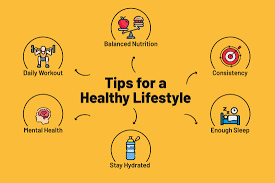
Finding good health tips now can feel overwhelming. So many ideas flood the internet, making it hard to know where to start. Beginners often get stuck trying to figure out what is actually helpful.
But don’t worry, it’s simpler than you think! We’ll guide you through easy steps. Let’s look at practical ways to feel better starting today.
Key Takeaways
- You will learn about basic, actionable steps for improving your health.
- Discover simple ways to eat better without drastic changes.
- Understand the importance of regular movement and easy exercises.
- Learn how to manage stress for a calmer mind.
- Find out how good sleep supports overall well-being.
- Get tips on staying hydrated for better bodily functions.
Easy Health Tips Now For Everyday Wellness
Taking care of your health does not need to be complicated. Many people want to improve their well-being but are unsure how to begin. This section focuses on simple, practical changes you can make right away.
These tips are designed to be easy to follow, even if you are new to focusing on your health.
Mindful Eating Habits
Eating well is a cornerstone of good health. However, changing your diet can seem like a big task. The goal is not to be perfect but to make smarter choices more often.
Small adjustments can lead to significant improvements over time. Focus on adding good things rather than just taking away.
One way to eat better is to pay attention to what you are eating. This means really tasting your food and noticing when you feel full. It helps you avoid overeating and makes meals more enjoyable.
Eating slowly also gives your brain time to signal to your stomach that it’s had enough food. This practice is sometimes called mindful eating.
Another simple tip is to include more fruits and vegetables in your meals. You do not need to eat salads all day. Try adding berries to your breakfast cereal, a handful of spinach to your smoothie, or some sliced bell peppers to your sandwich.
These additions boost nutrients without requiring a complete meal overhaul.
Hydration is also very important for eating habits. Drinking enough water can help you feel fuller, which may lead to eating less. Sometimes, thirst can be mistaken for hunger.
Aim to drink water throughout the day. Carry a water bottle with you to make it easier.
Consider how you prepare your food. Baking, steaming, or grilling are healthier options than frying. These methods use less oil, reducing the amount of fat in your meals.
Even small changes in cooking methods can make a difference in your overall health.
Simple Ways to Move Your Body
Getting enough physical activity is key to a healthy lifestyle. Many people think they need to spend hours at the gym. The truth is, any movement counts.
The aim is to increase your daily activity levels in ways that feel good to you.
Start by incorporating more movement into your daily routine. Take the stairs instead of the elevator. Walk or bike for short errands if possible.
Even a 10-minute walk can make a difference. Try to do this a few times a week. As you get more comfortable, you can gradually increase the duration or frequency.
Finding activities you enjoy is important for sticking with them. If you hate running, do not force yourself. Perhaps you would enjoy dancing, swimming, or gardening.
Hobbies that involve physical movement can be a great way to exercise without it feeling like a chore. Social activities like walking with a friend can also add fun and motivation.
Strength training does not always mean lifting heavy weights. You can use your own body weight for exercises like squats, lunges, and push-ups. These build muscle and improve bone health.
Start with a few repetitions and gradually increase as you get stronger. This helps maintain a healthy metabolism.
Flexibility exercises like stretching are also beneficial. They help improve your range of motion and can prevent injuries. Gentle stretching after a workout or even a few minutes each morning can help your body feel more limber.
Yoga is a popular activity that combines strength, flexibility, and relaxation.
Prioritizing Restful Sleep
Sleep is not a luxury; it is a vital part of your health. When you do not get enough quality sleep, it affects everything from your mood to your immune system. Making sleep a priority is one of the most impactful health tips now.
Try to go to bed and wake up around the same time each day, even on weekends. This helps regulate your body’s internal clock, known as the circadian rhythm. Consistency signals to your body when it is time to wind down and when it is time to be alert.
Create a relaxing bedtime routine. This could involve reading a book, taking a warm bath, or listening to calming music. Avoid screen time, such as phones or TVs, for at least an hour before bed.
The blue light emitted from these devices can interfere with sleep-inducing hormones.
Make sure your bedroom is a good environment for sleep. It should be dark, quiet, and cool. Consider using blackout curtains if your room gets too much light.
Earplugs or a white noise machine can help if you are bothered by sounds.
Limit caffeine and alcohol, especially in the hours leading up to bedtime. While alcohol might make you feel sleepy initially, it can disrupt sleep later in the night. Caffeine is a stimulant and can keep you awake.
Managing Daily Stress
Stress is a part of life, but too much of it can harm your health. Learning to manage stress effectively is crucial. There are many simple techniques you can use daily to feel calmer.
Deep breathing exercises are a quick and effective way to reduce stress. When you feel overwhelmed, take slow, deep breaths. Inhale through your nose, hold for a few seconds, and exhale slowly through your mouth.
This simple action can lower your heart rate and calm your nervous system.
Spending time in nature has been shown to reduce stress levels. Even a short walk in a park can be beneficial. Notice the sights, sounds, and smells around you.
This practice helps ground you in the present moment.
Engaging in hobbies you enjoy is another great stress reliever. Whether it is painting, playing music, or gardening, doing activities that bring you joy can take your mind off worries. Make time for these activities regularly.
Talking about your feelings can also help manage stress. Share your concerns with a trusted friend, family member, or therapist. Sometimes, simply voicing your problems can make them feel less overwhelming.
Support systems are important for mental well-being.
Practicing gratitude is a powerful tool for shifting your perspective. Each day, think of a few things you are thankful for. This can help you focus on the positive aspects of your life, even during difficult times.
Keeping a gratitude journal is a common way to do this.
Incorporating Hydration For Health
Water is essential for every bodily function. From digestion to brain activity, water plays a critical role. Making sure you drink enough water is one of the most straightforward health tips now you can implement.
Many people do not realize they are dehydrated. Symptoms can be mild, like feeling tired or having a headache. Sometimes, thirst can be mistaken for hunger, leading to unnecessary snacking.
Staying properly hydrated ensures your body works at its best.
How much water should you drink? A general guideline is about eight 8-ounce glasses per day. However, this can vary based on your activity level, the climate, and your overall health.
Listening to your body’s thirst signals is important.
Carry a reusable water bottle with you. This makes it easy to sip water throughout the day. Set reminders on your phone if you tend to forget.
Having water readily available makes it more likely you will drink it.
Water also aids in digestion and helps prevent constipation. It helps break down food so your body can absorb nutrients. It also keeps things moving smoothly through your digestive tract.
Beyond plain water, you can also get fluids from fruits and vegetables with high water content, such as watermelon, cucumbers, and strawberries. Herbal teas also contribute to your daily fluid intake. However, water should remain your primary source.
Benefits of Daily Movement
Movement is fundamental for maintaining physical and mental health. Regular physical activity offers a wide range of benefits that impact your entire well-being. Incorporating even small amounts of exercise can lead to significant positive outcomes.
One of the most recognized benefits is improved cardiovascular health. When you engage in activities like walking, running, or cycling, your heart muscle strengthens. This allows it to pump blood more efficiently, reducing your risk of heart disease and stroke.
Regular movement can also help regulate blood pressure.
Weight management is another significant advantage. Physical activity burns calories. When combined with a healthy diet, it helps create a calorie deficit needed for weight loss or maintain a healthy weight.
Building muscle also boosts your metabolism, meaning you burn more calories even at rest.
Beyond physical benefits, exercise has profound effects on mental health. It is a powerful stress reliever. Physical activity releases endorphins, which are natural mood boosters.
This can help reduce symptoms of anxiety and depression. It can also improve self-esteem and cognitive function, like memory and focus.
Improved sleep quality is also linked to regular exercise. People who are physically active often fall asleep faster and experience deeper sleep. However, it is generally advised to avoid very intense workouts close to bedtime, as they can be stimulating.
Bone and joint health are also supported by movement. Weight-bearing exercises, such as walking and strength training, help strengthen bones and reduce the risk of osteoporosis. Maintaining flexibility through stretching and activities like yoga can improve joint function and reduce stiffness.
Movement for a Healthier Heart
Your heart is a muscle that needs to be worked to stay strong. Regular physical activity is one of the best ways to keep your cardiovascular system healthy. It helps your heart pump blood more efficiently throughout your body.
Aerobic exercises are particularly beneficial for heart health. Activities like brisk walking, jogging, swimming, and dancing raise your heart rate and improve its endurance. Aim for at least 150 minutes of moderate-intensity aerobic activity per week.
This can be broken down into shorter sessions throughout the week.
By strengthening your heart muscle, you can lower your resting heart rate. This means your heart does not have to work as hard when you are at rest. Regular exercise also helps to keep your arteries clear, reducing the risk of blockages.
Studies show that individuals who engage in regular physical activity have a significantly lower risk of developing heart disease compared to those who are sedentary. For example, a study published in the Journal of the American College of Cardiology found that regular moderate-intensity exercise can reduce the risk of cardiovascular events by up to 30%.
It is important to consult with a doctor before starting any new exercise program, especially if you have pre-existing heart conditions. They can help you create a safe and effective plan tailored to your needs.
Boosting Mood and Mental Clarity
The connection between physical activity and mental well-being is undeniable. Moving your body is not just about physical health; it is also a potent tool for improving your mood and mental sharpness.
When you exercise, your brain releases chemicals called endorphins. These are natural mood elevators and pain relievers. They can create a sense of well-being and even euphoria, often referred to as a “runner’s high.” This makes exercise an effective natural remedy for mild to moderate depression and anxiety.
Regular physical activity can also improve cognitive functions, such as memory, attention, and problem-solving skills. It increases blood flow to the brain, which can help it function optimally. This is why being active can lead to better focus and mental clarity throughout the day.
A 2020 meta-analysis of studies showed that physical activity interventions led to significant reductions in symptoms of depression across various populations. This highlights the therapeutic potential of exercise for mental health. It is a proactive way to manage stress and improve overall emotional resilience.
Incorporating movement into your routine can lead to a more positive outlook and a sharper mind. Even short bursts of activity can provide immediate mood-lifting effects.
Nutrition Basics For A Healthier You
What you eat plays a direct role in how you feel and function. Making smart food choices does not have to be restrictive or complicated. Focusing on basic nutrition principles can make a big difference in your overall health.
A balanced diet includes a variety of foods from different food groups. These groups provide the essential nutrients your body needs to thrive. The main groups are fruits, vegetables, grains, protein, and dairy (or dairy alternatives).
Fruits and vegetables should form a significant part of your diet. They are packed with vitamins, minerals, fiber, and antioxidants. Aim to eat a rainbow of colors to ensure you get a wide range of nutrients.
For example, dark leafy greens like spinach offer vitamin K and folate, while bright orange carrots provide beta-carotene.
Whole grains are a better choice than refined grains. They contain more fiber, which aids digestion and helps you feel full longer. Examples include brown rice, quinoa, oats, and whole wheat bread.
These provide sustained energy throughout the day.
Protein is vital for building and repairing tissues. Lean sources of protein include poultry, fish, beans, lentils, tofu, and nuts. Including a source of protein with each meal can help manage hunger and maintain muscle mass.
Healthy fats are also important for brain health and nutrient absorption. Sources include avocados, nuts, seeds, and olive oil. It is best to limit saturated and trans fats found in fried foods and processed snacks.
Understanding Macronutrients
Macronutrients are the nutrients your body needs in large amounts. They provide energy and are essential for growth, repair, and many bodily functions. The three main macronutrients are carbohydrates, proteins, and fats.
Carbohydrates are your body’s primary source of energy. They are broken down into glucose, which fuels your cells. There are different types of carbohydrates.
Simple carbs, like those in sugar and white bread, are quickly digested and can cause energy spikes and crashes. Complex carbs, found in whole grains, vegetables, and legumes, are digested more slowly and provide sustained energy.
Proteins are made up of amino acids, which are the building blocks of your body. They are crucial for building and repairing tissues, making enzymes and hormones, and supporting your immune system. Lean meats, fish, eggs, dairy products, legumes, nuts, and seeds are good sources of protein.
Fats are also a vital energy source and play a role in hormone production and nutrient absorption. There are different types of fats. Unsaturated fats, found in plant-based oils, nuts, and avocados, are considered healthy.
Saturated fats, found in animal products and some plant oils, should be consumed in moderation. Trans fats, often found in processed foods, should be avoided as much as possible.
Balancing these macronutrients in your diet is key to optimal health. For example, a diet that is too low in carbohydrates might leave you feeling fatigued, while a diet too high in unhealthy fats can contribute to health problems. Understanding their roles helps in making informed food choices.
The Role of Micronutrients
Micronutrients are vitamins and minerals that your body needs in smaller amounts. Although needed in smaller quantities, they are just as important for maintaining good health. They play crucial roles in a vast number of bodily processes.
Vitamins are organic compounds that are essential for growth, metabolism, and overall health. They are categorized as fat-soluble (A, D, E, K) or water-soluble (C and B vitamins). Fat-soluble vitamins are stored in the body’s fatty tissues, while water-soluble vitamins are not stored and must be replenished regularly.
For instance, Vitamin C is vital for immune function and skin health, while B vitamins are crucial for energy production.
Minerals are inorganic substances that the body needs to function correctly. They are involved in everything from bone formation to nerve function. Key minerals include calcium for strong bones, iron for carrying oxygen in the blood, and potassium for maintaining fluid balance and blood pressure.
Other important minerals include magnesium, zinc, and selenium.
A deficiency in any micronutrient can lead to various health issues. For example, iron deficiency causes anemia, leading to fatigue and weakness. Vitamin D deficiency can weaken bones.
Ensuring a varied diet rich in fruits, vegetables, whole grains, and lean proteins is the best way to get a sufficient supply of all essential micronutrients.
A balanced diet typically provides all the micronutrients you need. However, in certain situations, like pregnancy or specific dietary restrictions, supplementation might be considered. It is always best to discuss this with a healthcare professional.
Stress Management Techniques
In today’s fast-paced world, stress can become a constant companion. Learning effective ways to manage stress is not a luxury, but a necessity for maintaining good health. Effective techniques can help you cope with daily pressures and improve your overall well-being.
One of the most accessible techniques is mindfulness. Mindfulness involves paying attention to the present moment without judgment. This can be practiced through meditation, deep breathing exercises, or simply by being more aware of your surroundings and feelings.
Regular practice can help reduce feelings of anxiety and improve focus.
Physical activity is also a powerful stress reliever. As mentioned, exercise releases endorphins, which have mood-boosting effects. Engaging in activities you enjoy, whether it is a vigorous workout or a gentle walk, can help dissipate tension.
Time management is another crucial skill for stress reduction. Feeling overwhelmed often stems from a lack of control. By prioritizing tasks, breaking them down into smaller steps, and setting realistic deadlines, you can reduce feelings of pressure.
Learning to say no to commitments that will overextend you is also important.
Social support plays a significant role in managing stress. Connecting with friends, family, or support groups can provide comfort and perspective. Sharing your worries with someone you trust can make them feel less burdensome.
Simply having someone to listen can make a big difference.
Adequate sleep is fundamental for stress management. When you are well-rested, you are better equipped to handle life’s challenges. Conversely, sleep deprivation can exacerbate stress and make you more irritable and less resilient.
The Power of Deep Breathing
Deep breathing is a simple yet incredibly effective technique for managing stress and anxiety. It works by activating the body’s natural relaxation response, helping to calm the nervous system.
When you are stressed, your breathing often becomes shallow and rapid. This can increase feelings of panic and tension. Deep breathing, also known as diaphragmatic breathing, encourages slow, deep breaths that engage the diaphragm, a large muscle located at the base of the lungs.
This type of breathing helps to lower your heart rate, blood pressure, and reduce the production of stress hormones like cortisol.
Here is a simple technique: Find a comfortable position, either sitting or lying down. Place one hand on your chest and the other on your belly. Inhale slowly and deeply through your nose, feeling your belly rise.
Your chest should move very little. Exhale slowly through your mouth, letting your belly fall. Repeat this for a few minutes.
Practicing this regularly can increase your body’s ability to relax.
This technique is accessible anytime, anywhere. You can use it before a stressful event, during a challenging moment, or as part of your daily routine to promote a sense of calm. It is a tool that empowers you to take control of your body’s stress response.
Building a Supportive Social Network
Human connection is vital for emotional well-being. Having a strong social network provides a buffer against stress and contributes to overall happiness. Nurturing these relationships is an important aspect of self-care.
Strong social ties offer emotional support. When you are going through a tough time, having people you can talk to can make a significant difference. They can offer comfort, advice, or simply a listening ear.
This connection helps you feel less alone and more understood.
Social interaction also provides practical support. Friends and family might help with tasks, offer advice on problems, or provide assistance in times of need. This shared experience can lighten your load and reduce stress.
Beyond difficult times, social connections also bring joy and fulfillment. Sharing experiences, laughter, and activities with others enriches life and creates positive memories. These relationships contribute to a sense of belonging and purpose.
Research consistently shows that people with strong social connections tend to live longer, healthier lives. A study published in PLOS Medicine found that the impact of social connection on mortality risk is comparable to well-known risk factors like smoking and obesity. It is a foundational element of a healthy lifestyle.
Common Myths Debunked
Myth 1: You need to spend hours exercising to see results
This is a common misconception that discourages many people from starting. The reality is that even short bursts of activity can be beneficial. For example, 10-15 minutes of brisk walking each day can contribute to improved cardiovascular health.
Consistency is often more important than duration, especially when you are beginning. Small, regular efforts add up over time to significant improvements.
Myth 2: Healthy eating means expensive, exotic foods
Many people believe that eating healthy requires buying expensive organic produce or specialty ingredients. However, nutritious food can be very affordable. Staples like beans, lentils, oats, rice, eggs, and seasonal vegetables are budget-friendly and packed with nutrients.
Planning meals and cooking at home are also cost-effective strategies.
Myth 3: You must eliminate all “unhealthy” foods to be healthy
The idea of strict elimination often leads to feelings of deprivation and can be unsustainable. A balanced approach is more effective. It is okay to enjoy treats in moderation.
The focus should be on making nutritious foods the majority of your diet and enjoying less healthy options occasionally as part of an overall healthy eating pattern.
Myth 4: Stress management is only for people with extreme problems
Stress is a normal part of life, and managing it is beneficial for everyone, regardless of the perceived severity of their problems. Proactive stress management techniques can prevent minor stressors from becoming major health issues. They build resilience and improve coping skills, making you better equipped to handle daily challenges.
Frequently Asked Questions
Question: How can I start making healthy changes if I feel completely overwhelmed
Answer: Start with one small change at a time. Pick something very simple, like drinking one extra glass of water each day or taking a 5-minute walk. Once that feels easy, add another small change.
This gradual approach makes it less overwhelming and helps build confidence.
Question: What is the best time of day to exercise
Answer: The best time is whenever you can realistically fit it in and enjoy it. Some people prefer mornings for energy, while others find evenings more relaxing. The most important factor is consistency.
Choose a time that works for your schedule and stick with it.
Question: Do I need special equipment to improve my health
Answer: No, you do not need special equipment. Many effective health practices require no equipment at all, such as walking, deep breathing, and drinking water. Bodyweight exercises like squats and push-ups can be done anywhere.
Focus on accessible activities first.
Question: How much sleep do I really need
Answer: Most adults need between 7 to 9 hours of quality sleep per night. However, this can vary slightly from person to person. Pay attention to how you feel during the day; if you are consistently tired, you may need more sleep.
Question: Can small dietary changes really make a difference
Answer: Absolutely. Small, consistent dietary changes can have a significant impact on your health over time. For example, swapping sugary drinks for water or adding an extra serving of vegetables to your dinner can contribute to better energy levels and overall well-being.
Final Thoughts
Making progress with health tips now is about making simple, consistent choices. You can improve your energy, mood, and overall well-being by focusing on balanced eating, regular movement, good sleep, and managing stress. Start small today and build from there.
Your body will thank you for it.