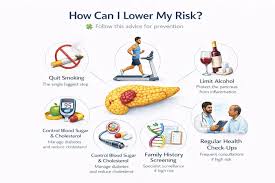
Taking care of your pancreas might sound tricky, especially if you’re just starting to learn about it. Many people find it hard to know where to begin with pancreas health tips. It’s okay if it feels a bit confusing at first.
This guide will make it super easy, breaking everything down step by step. We’ll show you simple ways to help keep your pancreas happy and healthy, starting right now.
Key Takeaways
- Learn what the pancreas does and why it’s important for your body.
- Discover the best foods and drinks to support pancreas health.
- Understand lifestyle choices that can help or harm your pancreas.
- Find out about common signs that your pancreas might need attention.
- Get simple tips you can start using today for better pancreas wellness.
Understanding Your Pancreas
The pancreas is a small but mighty organ that plays a huge role in your body’s well-being. It sits behind your stomach and has two main jobs. First, it makes important enzymes that help you digest the food you eat.
These enzymes break down fats, proteins, and carbohydrates so your body can use them. Second, it produces hormones, like insulin and glucagon, which control your blood sugar levels. Insulin helps your body use sugar for energy, while glucagon raises blood sugar when it gets too low.
Keeping this organ healthy is key to good digestion and stable energy.
The Pancreas’s Role in Digestion
Your pancreas is like a digestive powerhouse. When you eat, it releases a special mix of digestive juices, called pancreatic juice. This juice contains enzymes that are experts at breaking down different parts of your meal.
For example, amylase breaks down carbohydrates into sugars, lipase breaks down fats into fatty acids, and proteases break down proteins into amino acids. These smaller pieces are then easily absorbed into your bloodstream to give you energy and nutrients. Without these enzymes, your body would struggle to get the goodness out of your food, leading to nutrient deficiencies and digestive problems.
Imagine eating a fatty piece of chicken. Your pancreas’s lipase would get to work, chopping up that fat into tiny bits that your body can absorb. If your pancreas wasn’t working right, that fat might pass through undigested, causing discomfort and not providing any energy.
This is why pancreatic enzyme production is so vital for overall digestive health and nutrient absorption.
Here are some key functions of pancreatic enzymes:
- Amylase: Breaks down complex carbohydrates (starches) into simpler sugars like glucose. This sugar is then used by your cells for energy.
- Lipase: Breaks down dietary fats into fatty acids and glycerol, which are essential for energy storage, cell membranes, and hormone production.
- Proteases (like trypsin and chymotrypsin): Break down proteins into amino acids. Amino acids are the building blocks for muscles, enzymes, and other vital body tissues.
The Pancreas’s Role in Blood Sugar Control
Beyond digestion, the pancreas is critical for managing your blood sugar. It contains special cells called the Islets of Langerhans, which produce hormones. The most well-known of these is insulin.
When you eat, especially carbohydrates, your blood sugar rises. The pancreas senses this and releases insulin. Insulin acts like a key, allowing sugar to enter your body’s cells to be used for energy.
It also helps store excess sugar in your liver and muscles for later use. If insulin isn’t produced or doesn’t work properly, sugar can build up in your blood, leading to serious health issues like diabetes.
Another hormone produced is glucagon. Glucagon works in the opposite way to insulin. When your blood sugar levels drop too low, such as between meals or during exercise, your pancreas releases glucagon.
Glucagon tells your liver to release stored sugar back into your bloodstream. This keeps your blood sugar levels stable, preventing them from falling too low, which can cause dizziness, fatigue, and other problems. The balance between insulin and glucagon is essential for maintaining steady energy throughout the day.
Here’s a look at how these hormones keep your sugar balanced:
- Insulin: Lowers blood sugar by helping cells absorb it and signaling the liver to store it. This is released when blood sugar is high, like after a meal.
- Glucagon: Raises blood sugar by signaling the liver to release stored sugar. This is released when blood sugar is low, like during fasting.
Foods That Support Pancreas Health
What you eat has a direct impact on your pancreas. Choosing the right foods can help it function smoothly and reduce the risk of problems. We want to focus on nutrient-rich foods that are easy to digest and help keep inflammation down.
Think of this as feeding your pancreas the building blocks it needs to do its amazing work. By making smart food choices, you’re actively supporting its digestive and hormonal functions. This means more energy for you and a healthier internal system overall.
Beneficial Foods for Your Pancreas
Certain foods are particularly good for your pancreas because they are packed with vitamins, minerals, and antioxidants. These nutrients help protect your pancreas from damage and support its functions. For instance, berries are loaded with antioxidants that fight inflammation.
Leafy green vegetables like spinach and kale provide vitamins and minerals that are essential for cell repair. Lean proteins, such as fish and chicken, offer amino acids for building and repairing tissues without putting too much strain on digestion. Healthy fats from avocados and nuts are also important for hormone production and reducing inflammation.
Whole grains, like oats and brown rice, provide fiber that aids digestion and helps regulate blood sugar. Fiber also acts as a prebiotic, feeding the good bacteria in your gut, which indirectly supports your pancreas. Fermented foods, such as yogurt and kimchi, can introduce beneficial bacteria to your digestive system, further aiding the breakdown of food and absorption of nutrients.
Keeping a varied diet rich in these foods is a fantastic way to show your pancreas some love.
Here are some top food choices for a healthy pancreas:
- Berries: Rich in antioxidants that combat cell damage and inflammation.
- Leafy Greens: Packed with vitamins (A, C, K) and minerals (magnesium, iron) that support overall health.
- Lean Proteins: Such as fish, chicken, and beans, providing essential amino acids for repair.
- Healthy Fats: From sources like avocados, nuts, and seeds, supporting hormone function and reducing inflammation.
- Whole Grains: Like oats, quinoa, and brown rice, offering fiber for digestion and blood sugar balance.
- Fermented Foods: Yogurt, kefir, and sauerkraut, which contain probiotics for gut health.
Foods to Limit or Avoid
Just as some foods help your pancreas, others can cause harm. Processed foods, sugary drinks, and excessive amounts of unhealthy fats can put a significant burden on your pancreas. High sugar intake can lead to blood sugar spikes, forcing your pancreas to work overtime producing insulin.
This can, over time, lead to insulin resistance and other issues. Fried foods and fatty meats are hard to digest and can increase inflammation, putting stress on pancreatic enzymes.
Alcohol is another major concern. Heavy or regular alcohol consumption is a leading cause of pancreatitis, a painful and serious inflammation of the pancreas. It directly damages pancreatic cells and impairs their ability to function.
Limiting or avoiding alcohol is one of the most impactful pancreas health tips you can follow. Similarly, foods high in added sugars, like pastries, candy, and soda, should be consumed sparingly. These offer little nutritional value and can negatively impact your pancreas and overall metabolic health.
Here are foods and drinks to reduce for better pancreas health:
- Sugary Drinks: Sodas, sweetened juices, and energy drinks cause rapid blood sugar spikes.
- Processed Foods: Often high in unhealthy fats, sugar, and sodium, leading to inflammation and strain.
- Red and Processed Meats: Can be high in saturated fats and harder to digest, potentially increasing inflammation.
- Fried Foods: Contain unhealthy fats that are difficult for the pancreas to break down and can promote inflammation.
- Excessive Alcohol: A known trigger for pancreatic damage and inflammation.
Lifestyle Choices for Pancreas Wellness
Beyond your diet, how you live your life plays a big part in keeping your pancreas healthy. Simple habits can make a world of difference in supporting this vital organ. We’ll look at things like staying active, managing stress, and avoiding certain harmful habits.
These choices work together to create a healthy internal environment for your pancreas. Making these lifestyle changes is an investment in your long-term health and well-being.
Exercise and Physical Activity
Regular physical activity is incredibly beneficial for your pancreas, mainly because it helps with blood sugar control. When you exercise, your muscles use up glucose, which lowers your blood sugar levels. This reduces the demand on your pancreas to produce insulin.
Over time, consistent exercise can improve your body’s sensitivity to insulin, meaning your pancreas doesn’t have to work as hard. It also helps maintain a healthy weight, which is crucial for pancreatic function.
Aim for a mix of aerobic exercises and strength training. Aerobic activities like brisk walking, swimming, or cycling get your heart rate up and burn calories. Strength training builds muscle, which further aids in glucose metabolism.
Even moderate activity, like a 30-minute walk most days of the week, can have significant positive effects. It’s not about extreme workouts; it’s about consistent movement that supports your body’s natural processes.
Here’s how exercise helps:
- Improves Insulin Sensitivity: Your cells respond better to insulin, requiring less from your pancreas.
- Lowers Blood Sugar: Muscles use glucose for energy during activity.
- Helps Maintain Healthy Weight: Reduces strain on the pancreas and lowers the risk of metabolic issues.
- Reduces Inflammation: Regular movement can help calm systemic inflammation.
Stress Management and Sleep
Stress and lack of sleep can negatively impact your pancreas by disrupting hormone balance and increasing inflammation. When you’re stressed, your body releases cortisol, a hormone that can raise blood sugar levels. Chronic stress can lead to persistently high blood sugar, which puts extra pressure on your pancreas.
Poor sleep has similar effects, affecting insulin sensitivity and metabolic regulation. Both stress and insufficient sleep can contribute to inflammation throughout the body, including in the pancreas.
Finding healthy ways to manage stress is therefore an important part of pancreas health. Techniques like deep breathing exercises, meditation, yoga, or spending time in nature can be very effective. Similarly, prioritizing good sleep hygiene is crucial.
Aim for 7-9 hours of quality sleep each night. This includes establishing a regular sleep schedule, creating a relaxing bedtime routine, and making sure your bedroom is dark and quiet. A well-rested and calm body functions much better overall.
Key lifestyle factors:
- Stress Reduction Techniques: Meditation, deep breathing, and mindfulness help regulate cortisol and blood sugar.
- Adequate Sleep: Aim for 7-9 hours per night to support hormone balance and insulin sensitivity.
- Mind-Body Practices: Yoga and Tai Chi combine movement with stress reduction.
- Hobbies and Relaxation: Engaging in enjoyable activities can significantly lower stress levels.
The Dangers of Smoking
Smoking is incredibly detrimental to your pancreas. The toxins in cigarette smoke can directly damage pancreatic cells and increase the risk of inflammation and cancer. Smokers are at a significantly higher risk of developing pancreatic cancer, one of the deadliest forms of cancer.
Smoking also worsens conditions that can lead to pancreatitis, such as gallstones. It impairs blood flow and oxygen supply to the pancreas, hindering its ability to heal and function properly. Quitting smoking is one of the most powerful steps anyone can take to protect their pancreas and their overall health.
The impact of smoking is far-reaching. It not only damages the pancreas but also contributes to other health problems like heart disease and lung cancer. The pancreas is a sensitive organ, and the chemicals in cigarette smoke create an environment of damage and irritation.
Even though quitting can be challenging, the benefits for your pancreas and your entire body are immense. Resources are available to help people quit, and the sooner you stop, the more your body can begin to repair itself.
Why smoking is bad for your pancreas:
- Increased Cancer Risk: Smoking is a major risk factor for pancreatic cancer.
- Pancreatitis Development: It contributes to inflammation and damage of the pancreas.
- Impaired Healing: Toxins hinder the pancreas’s ability to repair itself.
- Reduced Blood Flow: Affects oxygen supply and nutrient delivery to pancreatic cells.
When to Seek Medical Advice
While these pancreas health tips can help prevent problems, it’s important to know when something might be wrong. Your body often sends signals when it needs attention. Paying attention to these signs and consulting a doctor is a responsible step towards maintaining your health.
Early detection and intervention can make a big difference in managing pancreatic conditions effectively. Don’t hesitate to reach out to healthcare professionals if you have concerns.
Common Signs of Pancreas Issues
Several symptoms can indicate that your pancreas might be experiencing problems. One common sign is abdominal pain, which can range from mild to severe and may radiate to the back. This is often a hallmark of pancreatitis.
Other digestive issues can include nausea, vomiting, and unexplained weight loss. If your pancreas isn’t producing enough digestive enzymes, you might experience steatorrhea, which is fatty, greasy stools that are difficult to flush. Changes in blood sugar levels, such as frequent urination and excessive thirst, can point to issues with insulin production.
Other less obvious signs can include jaundice, a yellowing of the skin and eyes, which can occur if a pancreatic tumor blocks the bile duct. You might also notice changes in your bowel habits or a general feeling of being unwell. It’s important to remember that these symptoms can be caused by various conditions, so a proper medical diagnosis is essential.
If you experience any persistent or concerning symptoms, it’s always best to consult with a doctor.
Watch out for these common signs:
- Abdominal Pain: Often in the upper abdomen, potentially radiating to the back.
- Nausea and Vomiting: Persistent feelings of sickness after eating or generally.
- Unexplained Weight Loss: Losing weight without trying, often due to digestive issues.
- Fatty Stools (Steatorrhea): Greasy, foul-smelling stools that float.
- Jaundice: Yellowing of the skin and eyes, indicating a possible bile duct issue.
- Blood Sugar Fluctuations: Signs of diabetes like increased thirst or frequent urination.
Importance of Regular Check-ups
Regular medical check-ups are vital for monitoring your overall health, including the health of your pancreas. Your doctor can perform screenings and tests that can detect potential issues early, often before you experience symptoms. This is especially important if you have risk factors for pancreatic diseases, such as a family history of pancreatic cancer or diabetes, or if you smoke or consume alcohol heavily.
Blood tests can check for enzyme levels and markers that indicate pancreatic inflammation or damage. Imaging tests like ultrasounds or CT scans can visualize the pancreas and detect abnormalities.
During a routine check-up, your doctor will likely ask about your diet, lifestyle, and any symptoms you might be experiencing. They can provide personalized advice and make recommendations to help you maintain optimal pancreas health. Early detection through regular visits means that any problems can be addressed sooner, leading to better treatment outcomes and a higher chance of a full recovery.
Don’t wait for symptoms to appear; proactive healthcare is key.
Why check-ups matter:
- Early Detection: Catches potential problems before they become serious.
- Risk Factor Assessment: Your doctor can identify and discuss your personal risks.
- Personalized Advice: Get guidance tailored to your specific health needs.
- Monitoring Chronic Conditions: Essential for managing diabetes or other ongoing health issues.
Common Myths Debunked
Myth 1: Only heavy drinkers get pancreatitis.
Reality: While excessive alcohol consumption is a leading cause, it’s not the only one. Gallstones are another very common cause of pancreatitis. Other factors include high triglycerides, certain medications, infections, and genetic predispositions.
So, even if you don’t drink heavily, you can still be at risk.
Myth 2: Pancreas pain is always severe.
Reality: Pancreatitis pain can vary greatly. It can be mild and intermittent for some, while for others it’s extremely severe. Also, some pancreatic conditions might not cause noticeable pain at all, especially in their early stages.
Relying solely on pain to detect issues isn’t always effective.
Myth 3: You can’t prevent pancreas problems.
Reality: This is not true. While some causes like genetics can’t be changed, many lifestyle factors can significantly reduce your risk. Maintaining a healthy weight, eating a balanced diet, limiting alcohol, not smoking, and managing blood sugar are all powerful preventive measures for pancreas health.
Myth 4: Pancreatic cancer is always a death sentence.
Reality: While pancreatic cancer is notoriously difficult to treat, survival rates are improving, especially with early detection. Treatment options like surgery, chemotherapy, and radiation therapy can be effective for some patients, particularly if diagnosed at an earlier stage. Hope and continued research offer better outcomes.
Frequently Asked Questions
Question: How can I improve my digestion with pancreas health tips
Answer: Focus on eating a diet rich in fiber, lean proteins, and healthy fats. Limit processed foods and sugars. Stay hydrated by drinking plenty of water throughout the day.
Regular, moderate exercise also aids digestion.
Question: What are the most important pancreas health tips for someone over 50
Answer: Maintain a healthy weight, avoid smoking, limit alcohol, eat a balanced diet with plenty of fruits and vegetables, and get regular medical check-ups to monitor blood sugar and other health markers.
Question: Can stress really affect my pancreas
Answer: Yes, chronic stress can lead to elevated blood sugar levels and inflammation, which puts extra strain on your pancreas. Practicing stress-management techniques like meditation or yoga is beneficial.
Question: Are supplements helpful for pancreas health
Answer: Some supplements, like digestive enzymes or certain vitamins, might be recommended by a doctor for specific conditions. However, it’s best to get nutrients from whole foods. Always consult your doctor before taking any new supplements.
Question: What should I do if I have sudden, severe stomach pain
Answer: Seek immediate medical attention. Sudden, severe abdominal pain, especially if it radiates to your back, can be a sign of acute pancreatitis, which requires urgent medical care.
Summary
Taking good care of your pancreas is simple with the right pancreas health tips. Focus on a diet full of fruits, vegetables, and lean proteins. Stay active, manage stress, and avoid smoking and excessive alcohol.
Pay attention to your body’s signals and see your doctor for regular check-ups. You have the power to support your pancreas for better digestion and overall health.