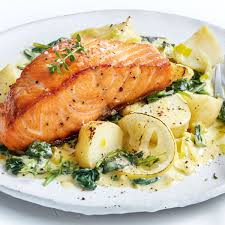
Learning to cook delicious and healthy meals can feel tricky at first, especially when you’re looking for simple recipes. The combination of 4 health salmon and potato sounds great, but putting it all together might seem like a puzzle. Don’t worry, it’s much easier than you think!
We’ll walk through each step so you can make a tasty meal without any stress. Get ready to discover how simple it can be to prepare this classic pairing.
Key Takeaways
- Understand why salmon and potatoes are a healthy choice together.
- Learn basic cooking methods for both salmon and potatoes.
- Discover simple seasoning ideas that enhance natural flavors.
- Explore different ways to combine salmon and potatoes for variety.
- Get tips for quick and easy preparation for busy days.
The Health Benefits of Salmon and Potato
Salmon and potatoes are a winning team for your body. Salmon is packed with omega-3 fatty acids, which are great for your heart and brain. It also provides lean protein to keep you feeling full and strong.
Potatoes, on the other hand, offer important vitamins and minerals, like potassium and vitamin C. When you eat them together, you get a balanced meal that’s both satisfying and good for you. This pairing is a cornerstone for anyone looking to eat better without giving up delicious food.
Nutritional Powerhouse Salmon
Salmon is a superfood for a reason. Its high omega-3 content is linked to many health perks. These healthy fats can help reduce inflammation in your body.
They are also vital for brain function and can even help improve mood. Plus, salmon is a fantastic source of high-quality protein. Protein is essential for building and repairing tissues in your body.
It also helps in making enzymes and hormones. Eating salmon regularly can contribute to better heart health and overall well-being.
Studies show that people who eat fish, especially fatty fish like salmon, regularly tend to have a lower risk of heart disease. One study published in the Journal of the American Medical Association found that higher fish consumption was associated with a reduced risk of stroke. This highlights the significant cardiovascular benefits of including salmon in your diet.
The U.S. Department of Agriculture recommends eating at least two servings of fish per week, with salmon being an excellent choice.
The Humble Potato’s Contributions
Potatoes often get a bad rap, but they are a valuable part of a healthy diet. They are a good source of carbohydrates, providing energy for your body. More importantly, they are rich in potassium, a mineral that helps regulate blood pressure.
Potatoes also contain vitamin C, an antioxidant that supports your immune system. When cooked properly, like baked or boiled, they are low in fat and very filling. The skin of the potato also contains fiber, which aids digestion and helps you feel satisfied.
The way you prepare potatoes matters for their health benefits. Frying potatoes, for example, adds a lot of unhealthy fats and calories. Opting for baking, boiling, or steaming keeps them healthier.
A medium baked potato with the skin on can provide a significant amount of your daily fiber intake. This makes it a great accompaniment to lean proteins like salmon, creating a balanced and filling meal. Their versatility means they can be prepared in many ways to suit different tastes and dietary needs.
Synergy of Salmon and Potato
When salmon and potato come together, they create a complete and satisfying meal. The protein and healthy fats from the salmon help slow down the digestion of the carbohydrates from the potato. This means you’ll feel fuller for longer, which can help with weight management.
The combination also provides a broad spectrum of nutrients. You get essential fatty acids from the fish and vital minerals and vitamins from the potato. It’s a simple pairing that covers many nutritional bases.
This duo makes a fantastic foundation for various dishes. Whether you bake them together, create a hash, or serve them side-by-side, their flavors complement each other well. The mild taste of salmon pairs perfectly with the earthy notes of potatoes.
This makes them accessible even for picky eaters. Their combined nutritional profile makes them a smart choice for a healthy lifestyle. It’s an easy way to get a delicious and nourishing meal on the table.
Simple Preparation Methods For Salmon
Cooking salmon doesn’t need to be complicated. You can achieve delicious results with just a few basic techniques. Baking, pan-searing, and steaming are all simple ways to prepare salmon.
Each method brings out the natural flavor of the fish and keeps it moist. With minimal effort, you can create a healthy and tasty main course for your meal. These methods are perfect for beginners and busy weeknights alike.
Baking Salmon
Baking is one of the easiest ways to cook salmon. You place the salmon fillet on a baking sheet, season it, and pop it in the oven. This method requires very little hands-on time.
It allows the salmon to cook evenly and remain tender. You can add vegetables like asparagus or broccoli to the same baking sheet for a one-pan meal.
- Preheat your oven to 400°F (200°C).
- Place salmon fillets on a baking sheet lined with parchment paper or foil.
- Drizzle with olive oil, lemon juice, and sprinkle with salt and pepper.
- Bake for 12-15 minutes, or until the salmon is opaque and flakes easily with a fork.
Baking is a great option because it’s hands-off. Once it’s in the oven, you can prepare your side dishes. The residual heat from the oven continues to cook the salmon gently.
This prevents it from drying out. You can also wrap the salmon in foil packets with herbs and citrus slices for extra flavor and moisture. This is often called “en papillote” and makes for a very tender and flavorful result.
Pan-Searing Salmon
Pan-searing gives salmon a beautiful crispy skin and a moist, flaky interior. It’s a quick cooking method that adds great texture. You’ll need a skillet and a little bit of oil.
- Pat salmon fillets dry with paper towels. This is key for crispy skin.
- Season with salt and pepper.
- Heat a tablespoon of olive oil or butter in a skillet over medium-high heat.
- Place salmon skin-side down in the hot skillet.
- Cook for 4-5 minutes until the skin is crispy.
- Flip and cook for another 2-4 minutes, depending on thickness, until cooked through.
This method is fantastic for creating a restaurant-quality dish at home. The high heat sears the skin, creating a delightful crunch. The flesh inside cooks quickly, locking in moisture.
You can often finish cooking by basting the salmon with the pan juices. This adds extra flavor and keeps the fish moist. It’s a quick way to get dinner on the table, often ready in under 10 minutes.
Steaming Salmon
Steaming is a very healthy and gentle way to cook salmon. It uses moist heat to cook the fish, resulting in a tender and delicate texture. This method is perfect if you want to avoid any added fats.
- Place about an inch of water in a pot and bring it to a boil.
- Place salmon fillets in a steamer basket over the boiling water.
- Cover the pot and steam for 5-8 minutes, depending on thickness, until cooked through.
- You can add herbs or lemon slices to the water for flavor.
Steaming is excellent for preserving the natural nutrients in salmon. The fish cooks in its own juices, making it incredibly tender. This method is also very forgiving; it’s hard to overcook salmon this way.
It’s a clean way to cook, with minimal mess. The resulting salmon is light and perfect for pairing with other delicate flavors.
Easy Preparation Methods For Potatoes
Potatoes are incredibly versatile and can be cooked in many simple ways. Whether you prefer them fluffy, crispy, or tender, there’s a method for everyone. Baking, boiling, and roasting are some of the most common and easiest ways to prepare potatoes.
These methods bring out their natural flavor and make them a perfect complement to salmon.
Baking Potatoes
Baking a potato is a classic. It yields a fluffy interior and a slightly crisp skin. It’s a simple process that requires minimal effort.
- Preheat oven to 400°F (200°C).
- Wash potatoes and prick them all over with a fork.
- Rub with a little olive oil and salt if desired.
- Place directly on the oven rack or on a baking sheet.
- Bake for 45-60 minutes, or until tender when pierced with a fork.
Baking is a hands-off method that produces a hearty side dish. The steam generated inside the potato helps cook it evenly. Leaving the skin on adds fiber and nutrients.
You can then top your baked potato with a variety of healthy ingredients, like a dollop of Greek yogurt, chives, or even some flaked salmon.
Boiling Potatoes
Boiling is a quick and straightforward way to cook potatoes. This method is great when you need potatoes cooked relatively fast. Boiled potatoes are tender and moist, making them a good base for potato salad or simply served with butter and herbs.
- Wash potatoes and cut them into uniform pieces, if desired.
- Place potatoes in a pot and cover with cold water.
- Add a pinch of salt to the water.
- Bring to a boil and cook for 15-20 minutes, or until fork-tender.
- Drain well.
Boiling is also a good method for preparing potatoes for mashing. Once boiled, they are soft and easy to mash. The key is to start with cold water; this ensures the potatoes cook evenly from the outside to the inside.
Overcooking can make them waterlogged, so keep an eye on them. Boiled potatoes are a staple for a reason – they are simple and reliable.
Roasting Potatoes
Roasting potatoes brings out a wonderful sweetness and creates delicious crispy edges. It’s a popular method for achieving that desirable texture.
- Preheat oven to 400°F (200°C).
- Wash potatoes and cut them into bite-sized pieces.
- Toss the potato pieces with olive oil, salt, pepper, and any desired herbs like rosemary or thyme.
- Spread them in a single layer on a baking sheet.
- Roast for 25-35 minutes, flipping halfway through, until golden brown and tender.
Roasting requires a bit more oil than boiling or baking, but the result is often worth it. The high heat of the oven caramelizes the natural sugars in the potatoes, giving them a rich flavor. Ensuring the potatoes are in a single layer on the baking sheet is important.
This allows them to roast rather than steam, leading to crispier results. They make an excellent accompaniment to salmon, providing a satisfying crunch.
Simple Seasoning Ideas for Salmon and Potato
The beauty of salmon and potato is that they taste great with simple seasonings. You don’t need fancy ingredients to make them delicious. Fresh herbs, citrus, garlic, and a good pinch of salt and pepper can elevate these dishes.
These flavors complement the natural taste of the salmon and the earthy notes of the potato.
Herbs and Citrus
Fresh herbs like dill, parsley, and chives are wonderful with salmon. Dill has a slightly sweet, anise-like flavor that pairs beautifully with fish. Parsley adds a fresh, clean taste, while chives offer a mild oniony flavor.
Lemon or lime juice squeezed over the top brightens the flavor of both salmon and potatoes. A slice of lemon baked with the salmon is also a great idea.
- For salmon: Sprinkle fresh dill or parsley over the top before or after cooking.
- For potatoes: Toss boiled or roasted potatoes with chopped chives and a squeeze of lemon.
- Add lemon slices to the baking dish with salmon.
The acidity from citrus cuts through the richness of the salmon, making it taste lighter and fresher. It also helps to balance the starchiness of the potatoes. This simple flavor combination is a classic for a reason.
It’s light, bright, and incredibly appealing. Fresh herbs add vibrant color and a burst of flavor.
Garlic and Spices
Garlic is a versatile ingredient that works well with both salmon and potatoes. You can roast garlic cloves with the potatoes or mince fresh garlic to add to marinara sauces for salmon. A sprinkle of paprika or a pinch of red pepper flakes can add a nice kick to roasted potatoes or a subtle warmth to baked salmon.
- Add minced garlic or garlic powder to your potato roasting mix.
- Rub salmon with a little garlic powder before baking or pan-searing.
- A dash of paprika can add color and a mild smoky flavor to roasted potatoes.
- Red pepper flakes add a touch of heat if you like it spicy.
Garlic, when cooked, becomes sweet and mellow. This is especially true when roasted. It adds a depth of flavor without being overpowering.
Spices like paprika offer a subtle complexity. They can transform simple ingredients into something more exciting. Experimenting with different spices can lead to new favorite flavor profiles.
Salt and Pepper Essentials
Never underestimate the power of good old salt and pepper. Properly seasoned food tastes so much better. Salt enhances the natural flavors of salmon and potatoes.
Black pepper adds a mild pungency that contrasts nicely with the other tastes. Always taste and adjust seasoning as needed.
- Season salmon lightly with salt and freshly ground black pepper before cooking.
- Season potatoes generously with salt and pepper before roasting or boiling.
- A flaky sea salt sprinkled on top of cooked salmon adds a nice finish.
The quality of your salt and pepper can make a difference. Using freshly ground black pepper provides a more potent aroma and flavor compared to pre-ground varieties. Sea salt or kosher salt dissolves well and seasons evenly.
These basic seasonings form the foundation of flavor for almost any dish.
Combining Salmon and Potato For Meals
Putting salmon and potato together in a meal is simple and can be very creative. You can cook them separately and serve them side-by-side, or combine them into one dish. Here are a few ideas that are easy to make and taste great.
Salmon and Potato Bake
This is a one-pan wonder! It minimizes cleanup and maximizes flavor. You can layer sliced potatoes and salmon with herbs and lemon, then bake until everything is tender and cooked through.
- Preheat oven to 400°F (200°C).
- Slice potatoes thinly and place them in the bottom of a baking dish. Drizzle with olive oil, salt, and pepper.
- Bake the potatoes for about 20 minutes until they start to soften.
- Place salmon fillets on top of the potatoes. Season the salmon with salt, pepper, and your favorite herbs.
- Add lemon slices on top of the salmon.
- Bake for another 15-20 minutes, or until the salmon is cooked through and the potatoes are tender.
This dish is incredibly satisfying. The potatoes soak up some of the delicious salmon juices as they bake. It’s a complete meal in one dish, making it perfect for busy evenings.
The flavors meld together beautifully in the oven. This is a foolproof way to create a healthy and comforting dinner.
Salmon and Potato Hash
A hash is a great way to use up leftover cooked potatoes and salmon. You can dice cooked potatoes and cooked salmon, then pan-fry them with onions and seasonings until crispy and heated through. Add a fried egg on top for a hearty breakfast or brunch.
- Dice cooked potatoes and cooked salmon.
- Finely chop an onion.
- Heat some oil or butter in a skillet over medium heat.
- Add the onion and cook until softened.
- Add the diced potatoes and cook until they start to brown and crisp up.
- Add the diced salmon and cook for a few more minutes until heated through.
- Season with salt, pepper, and any other desired spices like paprika or chili powder.
A hash is wonderfully adaptable. You can add other vegetables like bell peppers or spinach. It’s a rustic and hearty dish that’s perfect for any meal.
The crispy potatoes and flaky salmon are a delightful combination. Top it with a fried egg for an extra protein boost and a runny yolk to coat everything.
Salmon Patties with Potato Salad
Salmon patties, or cakes, are a fantastic way to use canned or leftover salmon. Mix flaked salmon with mashed potatoes, breadcrumbs, egg, and seasonings, then pan-fry until golden brown. Serve with a simple, healthy potato salad made with boiled potatoes, Greek yogurt, and herbs.
- For salmon patties: Combine flaked cooked salmon, mashed potatoes, an egg, breadcrumbs, and seasonings. Form into patties and pan-fry until golden.
- For potato salad: Boil potatoes until tender, then dice. Mix with Greek yogurt, chopped celery, red onion, dill, salt, and pepper.
This is a great way to enjoy salmon in a different form. The mashed potato in the patties helps bind them and adds a lovely texture. The potato salad is a refreshing and lighter alternative to traditional mayonnaise-based versions.
It’s a balanced and flavorful meal option that’s also good for picnics or packed lunches.
Quick Tips for Busy Days
When time is short, you still want to eat well. The good news is that salmon and potatoes can be prepared very quickly. Using pre-cut vegetables, pre-cooked salmon, or opting for quick cooking methods can save you a lot of time.
Planning ahead is also key to making healthy meals happen, even on the busiest days.
Utilize Pre-Cooked Ingredients
Many grocery stores now offer pre-cooked salmon fillets or smoked salmon. These can be added to salads or quickly heated. Similarly, pre-cut potatoes or even fully cooked baked potatoes can be a lifesaver.
These options significantly cut down on preparation time.
- Pre-cooked salmon can be flaked and added to salads or pasta.
- Smoked salmon is ready to eat and perfect for adding to scrambled eggs or a quick lunch wrap.
- Pre-cut potatoes or fully baked potatoes can be quickly mashed or added to a hash.
These convenience items are designed for people who are short on time. They still offer good nutrition and can be a great way to get a healthy meal on the table fast. Just be mindful of added sodium or preservatives in some pre-packaged items.
Quick Cooking Techniques
Certain cooking methods are naturally faster than others. Microwaving potatoes is very quick. Pan-searing salmon takes only minutes.
Combining these quick methods can lead to a meal in under 20 minutes.
- Microwave a potato for a few minutes until tender for a speedy baked potato.
- Pan-sear salmon fillets for a fast and flavorful protein.
- Boil small potato cubes for a quick side dish.
Speedy cooking techniques are essential for weeknight meals. They allow you to have a wholesome meal without spending hours in the kitchen. These methods maintain the integrity of the ingredients while delivering them to your plate quickly.
Meal Prep Strategies
Spend a little time on the weekend to prep ingredients for the week ahead. Wash and chop vegetables, cook a batch of potatoes, or even bake some salmon. Having these ready to go makes assembling meals during the week much easier.
- Wash and chop vegetables like onions and peppers to have them ready for cooking.
- Boil or roast a batch of potatoes to use in hashes or salads throughout the week.
- Cook extra salmon during a weekend meal prep session.
Meal prepping is a game-changer for healthy eating. It removes the decision-making and prep work when you’re tired after a long day. Having components ready means you can assemble a meal in minutes.
This proactive approach ensures healthy eating is always an option.
Common Myths Debunked
Myth 1 Salmon and potatoes are too plain to be exciting
This is far from the truth. Salmon and potatoes are incredibly versatile. Their mild flavors provide a perfect canvas for a wide array of herbs, spices, and sauces.
From zesty lemon-dill to smoky paprika and garlic, the flavor combinations are nearly endless. Simple seasonings can transform them into vibrant and exciting dishes. They are the foundation for many global cuisines, proving their adaptability and delicious potential.
Myth 2 Potatoes are unhealthy and cause weight gain
Potatoes themselves are a good source of carbohydrates, fiber, and essential nutrients. The healthiness of a potato dish largely depends on how it is prepared. Frying potatoes adds significant fat and calories, which can contribute to weight gain.
However, baking, boiling, or roasting potatoes with minimal added fat keeps them a healthy part of a balanced diet. They provide energy and can help you feel full, which can actually aid in weight management when part of a healthy eating plan.
Myth 3 Cooking salmon is difficult and easy to mess up
While salmon can be overcooked if not careful, basic cooking methods like baking and steaming are very forgiving and straightforward. These methods require minimal skill and result in a moist and flaky fish. Pan-searing can be mastered with a little practice, and the reward is delicious crispy skin.
With simple recipes and attention to cooking times, anyone can cook salmon successfully.
Myth 4 You need a lot of fancy ingredients for healthy meals
Healthy and delicious meals don’t require exotic or expensive ingredients. Staples like salmon and potatoes, combined with common herbs, spices, and fresh produce, are sufficient. Basic seasonings like salt, pepper, garlic, and lemon can create flavorful dishes.
The focus should be on fresh, whole ingredients rather than elaborate preparations.
Frequently Asked Questions
Question: Can I freeze salmon and potato dishes?
Answer: Cooked salmon can generally be frozen for up to 2-3 months. Cooked potatoes can also be frozen, but their texture might become a bit mushy upon thawing, especially if they were boiled. Dishes combining both might hold up reasonably well, but it’s best to freeze them in individual portions if possible for best results.
Question: What kind of potatoes are best for pairing with salmon?
Answer: Most types of potatoes work well. Yukon Gold potatoes are a good all-around choice for roasting and mashing due to their creamy texture. Russets are excellent for baking and fries.
Red potatoes or fingerlings are great for boiling and roasting due to their waxy texture, which holds its shape well.
Question: Are there any special considerations for feeding salmon and potato to children?
Answer: For children, ensure salmon is fully cooked and boneless. For potatoes, prepare them in ways that are easy for them to eat, like mashed or cut into smaller, bite-sized pieces. Avoid overly strong seasonings or spices.
Simple preparations are usually best for younger palates.
Question: How can I make my salmon and potato meal more visually appealing?
Answer: Garnish your dishes with fresh herbs like chopped parsley or chives. A squeeze of bright lemon or lime wedges on the side adds color and freshness. For baked dishes, the golden-brown crust on roasted potatoes and the pinkish hue of cooked salmon are naturally appealing.
Arranging the food nicely on the plate also makes a difference.
Question: Can I use sweet potatoes instead of regular potatoes?
Answer: Yes, absolutely! Sweet potatoes are a fantastic alternative. They are packed with vitamins and have a natural sweetness that pairs wonderfully with salmon.
You can bake, roast, or mash them just like regular potatoes, offering another delicious and healthy option for your meal.
Conclusion
Creating a healthy and delicious meal with salmon and potato is simple and rewarding. You’ve seen how these ingredients offer great nutrition and can be prepared in many easy ways. From baking to roasting and simple seasoning, you have the tools to make tasty dishes.
Enjoy exploring these simple ideas for a satisfying meal.