Finding easy ways to stay healthy as you get older can sometimes feel tricky. Many people wonder where to start when looking for health tips for seniors. It might seem like there’s a lot of information out there, and it can be hard to know what actually works.
But don’t worry, it doesn’t have to be complicated. We’re here to make it simple and show you step-by-step how to improve your well-being. Let’s explore how you can feel your best, starting right now.
Key Takeaways
- Simple ways to improve daily nutrition for seniors.
- Easy exercises to maintain strength and balance.
- Strategies for better sleep and rest.
- The importance of social connection for senior well-being.
- Ways to keep the mind sharp and engaged.
- Tips for staying safe at home and in the community.
Nourishing Your Body With Good Food
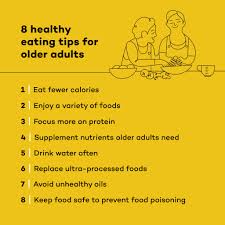
Eating well is a cornerstone of good health for everyone, especially seniors. As we age, our bodies change, and so do our nutritional needs. It’s not about drastic diets, but about making smart, simple choices every day.
Good food gives you energy, helps your body heal, and keeps your immune system strong. It can also help prevent common health problems that can come with age.
Importance of Balanced Meals
A balanced meal means getting a variety of nutrients from different food groups. This includes fruits, vegetables, lean proteins, whole grains, and healthy fats. These foods provide the vitamins, minerals, and energy your body needs to function at its best.
For example, calcium and vitamin D are vital for strong bones, which can help prevent falls.
Making sure you eat enough protein is also very important. Protein helps build and repair muscles. This is key for maintaining strength and mobility, allowing you to continue enjoying your favorite activities.
Think about including sources like chicken, fish, beans, or yogurt in your meals.
The National Academy of Medicine recommends that older adults consume about 1 gram of protein per kilogram of body weight per day. For instance, a person weighing 150 pounds (about 68 kg) would aim for around 68 grams of protein daily.
Hydration Is Key
Drinking enough water is as important as eating nutritious food. Our bodies are made up of a lot of water, and we lose it throughout the day. Staying hydrated helps everything in your body work correctly, from your brain to your kidneys.
It can also help prevent constipation and keep your skin healthy.
Many seniors don’t feel thirsty as much as they used to, which can make it easy to become dehydrated. It’s a good idea to sip water throughout the day, even if you don’t feel thirsty. Other healthy liquids like herbal teas or diluted fruit juices can also help.
Aim to drink about eight glasses of fluids a day, or as recommended by your doctor.
Tips for Staying Hydrated
- Keep a water bottle handy and sip from it regularly.
- Start your day with a glass of water.
- Eat fruits and vegetables with high water content, like watermelon, cucumbers, and oranges.
- Add a slice of lemon or lime to your water for flavor.
- Limit sugary drinks and excessive caffeine, which can lead to dehydration.
Simple Meal Ideas
Creating healthy meals doesn’t need to be complicated. Focus on simple preparations that highlight fresh ingredients. A good example is baked salmon with steamed broccoli and a side of quinoa.
This meal provides protein, healthy fats, vitamins, and fiber.
Another easy idea is a hearty vegetable soup with whole-grain bread. You can load it with carrots, celery, potatoes, beans, and spinach. For breakfast, consider oatmeal topped with berries and nuts, or scrambled eggs with whole-wheat toast.
These meals are not only nutritious but also easy to prepare and digest. They provide sustained energy and essential nutrients without being too heavy.
Staying Active For A Stronger You
Keeping your body moving is one of the most effective health tips for seniors. Regular physical activity helps maintain your independence, keeps your joints flexible, and boosts your mood. It’s not about running marathons; it’s about finding gentle ways to stay active that you enjoy.
The Benefits of Regular Movement
When you stay active, your muscles stay strong, and your bones get denser. This is incredibly important for preventing falls, which can be a major concern for older adults. Stronger muscles and better balance give you more confidence when you walk and move around.
Physical activity also does wonders for your heart. It helps keep your blood pressure in check and reduces your risk of heart disease. Plus, exercise releases endorphins, which are natural mood boosters.
This can help combat feelings of loneliness or sadness.
A study published in the Journal of the American Medical Association showed that older adults who participated in a moderate exercise program experienced significant improvements in physical function and a reduced risk of disability. This highlights how crucial movement is for maintaining quality of life.
Gentle Exercises for Seniors
There are many types of exercises suitable for seniors. Walking is a fantastic starting point. It’s low-impact and can be done almost anywhere.
Aim for a brisk walk for 30 minutes most days of the week, or break it up into shorter sessions if needed.
Chair exercises are also excellent, especially if you have balance concerns. These can include leg lifts, arm raises, and seated marches. Yoga and Tai Chi are wonderful for improving flexibility, balance, and mindfulness.
They are slow-paced and focus on controlled movements.
Water aerobics is another great option. The water supports your body, making it easier on your joints while still providing resistance for strength building.
Examples of Simple Exercises
- Chair Squats: Sit on a sturdy chair, feet flat on the floor. Stand up slowly and then sit back down. Repeat 10-15 times.
- Arm Raises: While seated or standing, hold light weights or cans of food. Raise your arms out to the sides or in front of you. Repeat 10-15 times.
- Ankle Circles: Lift one foot slightly off the floor. Rotate your ankle in a circular motion, clockwise and then counter-clockwise. Repeat 10 times for each foot.
- Calf Raises: Stand near a wall or chair for support. Rise up onto the balls of your feet, then slowly lower your heels. Repeat 10-15 times.
Building Balance and Preventing Falls
Falls can have serious consequences, so improving balance is a key health tip for seniors. Exercises that specifically target balance are very effective.
Simple balance exercises include standing on one foot for a few seconds, then switching legs. You can hold onto a stable surface like a counter or chair for support. Another exercise is walking heel-to-toe, like walking on a tightrope.
This requires concentration and coordination.
It’s also important to make your home safer. Remove tripping hazards like loose rugs, ensure good lighting in all areas, and install grab bars in the bathroom. Keeping your environment safe complements your efforts to improve physical balance.
The Centers for Disease Control and Prevention (CDC) reports that one in four older adults falls each year. Many of these falls result in injuries like hip fractures and head trauma. Taking proactive steps to improve balance and home safety can significantly reduce this risk.
Restful Sleep and Mental Well-being
Getting enough quality sleep is just as vital as diet and exercise for senior health. When you sleep well, your body and mind can repair and recharge, preparing you for the day ahead. Mental well-being is also a critical part of overall health, influencing how you feel and function.
Creating a Sleep-Friendly Environment
A good night’s sleep often starts with your bedroom. Make sure your room is dark, quiet, and cool. Blackout curtains can help block out light, and earplugs might be useful if noise is an issue.
A slightly cooler temperature is usually best for sleeping.
Having a comfortable mattress and pillows also makes a big difference. If your bedding is old or uncomfortable, consider investing in new ones. A cozy environment encourages relaxation and makes it easier to fall asleep and stay asleep.
Consistency is also important. Try to go to bed and wake up around the same time each day, even on weekends. This helps regulate your body’s natural sleep-wake cycle, also known as your circadian rhythm.
This routine signals to your body when it’s time to rest.
Tips for Better Sleep Hygiene
- Establish a relaxing bedtime routine, like reading a book or taking a warm bath.
- Avoid caffeine and alcohol close to bedtime, as they can disrupt sleep.
- Limit naps during the day, especially long or late-afternoon naps, which can interfere with nighttime sleep.
- If you can’t fall asleep after 20 minutes, get out of bed and do something quiet until you feel sleepy, then return to bed.
- Ensure your bedroom is a sanctuary for sleep, free from distractions like TVs or work materials.
The Importance of Social Connection
Staying connected with others is a powerful tool for maintaining good mental and emotional health as you get older. Loneliness and isolation can have negative effects on both your mind and body. Meaningful social interactions provide a sense of belonging and purpose.
Spending time with friends and family, joining clubs, or volunteering are all great ways to stay connected. Even simple activities like chatting with a neighbor or participating in a local community event can make a big difference. These connections offer emotional support and can reduce feelings of stress and anxiety.
Research consistently shows a link between strong social ties and better health outcomes. A report from the U.S. Surgeon General highlighted that social isolation is as detrimental to health as smoking 15 cigarettes a day.
This underscores the vital role of social engagement.
Keeping Your Mind Sharp
Just like your body, your brain benefits from regular exercise. Engaging your mind helps maintain cognitive function and can reduce the risk of memory loss or other cognitive decline.
Activities like reading, doing puzzles, learning a new skill, or playing brain games can all help keep your mind sharp. The key is to challenge your brain with new and varied activities. Trying something you’ve never done before, like learning a new language or taking up a musical instrument, offers significant benefits.
Engaging in activities that require problem-solving or strategic thinking, like chess or crosswords, provides a mental workout. Even simple things like trying a new recipe or taking a different route on your daily walk can stimulate your brain.
Activities for Mental Stimulation
- Reading: Whether it’s books, newspapers, or magazines, regular reading keeps your mind active and informed.
- Puzzles: Jigsaw puzzles, crosswords, Sudoku, and word searches challenge your memory and problem-solving skills.
- Learning: Sign up for a class, learn a new language, or take up a new hobby like painting or gardening.
- Social Engagement: Talking with friends, joining a book club, or participating in group activities also stimulates cognitive function.
- Memory Games: Use apps or physical cards to play memory-matching games or recall exercises.
Staying Safe In Your Daily Life
Safety is a fundamental concern for everyone, and for seniors, taking proactive steps can prevent accidents and maintain independence. These measures are practical and can be easily incorporated into daily routines.
Home Safety Measures
Making your home a safe place is the first step. As mentioned, removing tripping hazards like loose rugs and ensuring good lighting are essential. Clear pathways through rooms are important for easy movement.
In the bathroom, non-slip mats in the shower or tub and grab bars can prevent slips and falls. Consider a raised toilet seat for easier sitting and standing. Having a cordless phone or a medical alert system readily available can provide peace of mind in case of an emergency.
It’s also wise to have emergency contact numbers posted clearly near the phone. Regularly check smoke detectors and carbon monoxide detectors to ensure they are working correctly.
Community Safety and Awareness
Being aware of your surroundings when you are out and about is important. Stick to well-lit areas when walking, especially in the evening. If possible, walk with a friend or family member.
Be cautious of scams. Seniors can sometimes be targeted by fraudulent schemes. If something sounds too good to be true or someone is pressuring you for personal information or money, it’s best to be skeptical and consult with a trusted family member or authority.
For driving, regular eye exams are crucial. If you have any concerns about your driving ability, it’s important to have an honest conversation with your doctor. Many communities offer resources for transportation assistance if driving becomes challenging.
Tips for Staying Safe
- Keep your home well-lit, especially stairways and hallways.
- Use non-slip mats in bathrooms and kitchens.
- Wear sturdy, low-heeled shoes with good traction.
- Keep emergency numbers and your medical information easily accessible.
- Be aware of your surroundings when you are out in public.
Medication Management
Taking medications as prescribed is vital for managing health conditions. However, managing multiple medications can be challenging. Using a pill organizer can help you keep track of your daily doses.
It’s important to talk to your doctor or pharmacist about all the medications you are taking, including over-the-counter drugs and supplements. They can help you understand potential interactions and side effects.
For example, some medications can cause dizziness or drowsiness, which increases the risk of falls. Understanding these effects allows you to take necessary precautions. Keeping an updated list of your medications can be helpful for doctors and emergency responders.
Common Myths Debunked
Myth 1: Seniors should avoid all physical activity to prevent injury.
Reality: This is not true. While some activities might need modification, regular, appropriate exercise is crucial for seniors. It strengthens muscles and bones, improves balance, and boosts overall health, actually helping to prevent injuries like falls.
Gentle exercises like walking, swimming, or chair yoga are often very beneficial.
Myth 2: As you age, it’s normal to experience significant memory loss.
Reality: While some minor memory changes can occur with age, severe memory loss is not a normal part of aging. Conditions like Alzheimer’s disease are diseases, not just natural aging processes. Keeping your mind active with reading, puzzles, and social interaction can help maintain cognitive function.
Myth 3: Older adults don’t need as much sleep as younger people.
Reality: Sleep needs change throughout life, but older adults still require adequate sleep to function well. While sleep patterns might shift, the need for 7-9 hours of quality sleep remains important for physical and mental health. Focusing on good sleep hygiene is key.
Myth 4: Nutrition is less important for seniors because they are less active.
Reality: Nutrition is equally, if not more, important for seniors. As metabolism slows and bodies change, seniors need nutrient-dense foods to maintain energy, muscle mass, and immune function. Proper nutrition helps prevent chronic diseases and supports overall well-being.
Myth 5: Socializing is only for younger people.
Reality: Social connection is vital at all ages. For seniors, maintaining social ties combats loneliness, improves mood, and can even positively impact physical health. Staying connected provides emotional support and a sense of purpose.
Frequently Asked Questions
Question: What is the best way for seniors to start exercising?
Answer: The best way is to start slowly and choose activities you enjoy. Walking is a great starting point. It is also helpful to talk to your doctor before beginning any new exercise program to ensure it is safe for you.
Question: How much water should seniors drink daily?
Answer: A general recommendation is about eight 8-ounce glasses of fluids per day, but this can vary. It’s important to listen to your body and drink when you feel thirsty. Fruits and vegetables with high water content also contribute to hydration.
Question: Is it okay for seniors to lift weights?
Answer: Yes, light weight training can be very beneficial for seniors. It helps maintain muscle mass and strength, which is important for mobility and preventing falls. Always start with very light weights and focus on proper form, or work with a trainer.
Question: What are some signs that a senior might need more social interaction?
Answer: Signs can include appearing withdrawn, expressing feelings of loneliness or sadness, loss of interest in activities they once enjoyed, or a decline in personal care. Encouraging them to join clubs or spend time with loved ones can help.
Question: How can I help a senior loved one manage their medications effectively?
Answer: Using pill organizers, setting alarms, and keeping an updated list of all medications are helpful strategies. Open communication with their doctor and pharmacist about any concerns is also important. Simplifying their medication schedule where possible can also be beneficial.
Conclusion
Prioritizing health as a senior means making simple, consistent choices. Focusing on nutritious food, gentle activity, good sleep, and staying connected makes a real difference. These steps are manageable and lead to a more vibrant life.
Start with one small change today and build from there. You’ve got this!