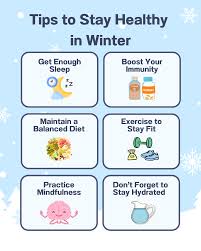
Winter can feel like a time when staying healthy is extra tricky. You might wonder where to begin with all the advice out there. But don’t worry!
We’ve got easy steps to help you feel your best. Get ready for some simple health tips for winter.
Key Takeaways
- Simple ways to boost your immune system this winter.
- Easy tips for staying active when it’s cold outside.
- How to keep your skin healthy during dry winter months.
- Quick ideas for healthy winter meals.
- Tips for getting better sleep when days are shorter.
Boost Your Immunity With Winter Health Tips
Keeping your body strong during winter is key. Cold weather can sometimes make us feel a bit run down. This section gives you practical health tips for winter to help your body fight off germs.
We will explore how simple changes can make a big difference. You will learn about foods and habits that support your body’s natural defenses.
Eat Foods That Help Your Body
Certain foods are packed with things your body loves, especially in winter. Vitamins and minerals help your immune system work its best. Think about colorful fruits and vegetables.
These have antioxidants that protect your cells.
-
Citrus fruits like oranges and grapefruits are great. They are full of Vitamin C. Vitamin C is known for helping your immune system.
Aim to eat a serving of citrus each day.
-
Leafy green vegetables such as spinach and kale offer vitamins and minerals. They contain Vitamin A and folate. These are important for healthy immune cells.
You can add them to soups or salads.
-
Garlic and ginger are natural helpers. Garlic has compounds that may boost immune function. Ginger can help soothe a sore throat and has anti-inflammatory properties.
Try adding them to your cooking.
-
Yogurt with live cultures can be good for your gut. A healthy gut is linked to a strong immune system. Choose plain yogurt and add some fruit for sweetness.
Stay Hydrated Even When It’s Cold
It is easy to forget to drink enough water when it is cold. But staying hydrated is still very important for your health. Water helps your body do many jobs, like carrying nutrients and removing waste.
When you are dehydrated, your body may not work as well.
-
Carry a water bottle with you. Seeing it reminds you to drink throughout the day. Sip it regularly, even if you don’t feel thirsty.
-
Warm drinks can also help you stay hydrated. Herbal teas like chamomile or peppermint are nice choices. Hot water with lemon is another good option.
These can be comforting on a cold day.
-
Some fruits and vegetables have high water content. Eating things like cucumbers, celery, and watermelon (when in season) can contribute to your daily intake.
Get Enough Sleep for Better Health
Sleep is when your body repairs itself. Getting enough quality sleep helps your immune system. When you are tired, your body is more likely to get sick.
Aim for 7-9 hours of sleep each night. This is a vital part of health tips for winter.
-
Try to go to bed and wake up around the same time each day. This helps set your body’s internal clock. Even on weekends, try not to stray too far from your usual schedule.
-
Make your bedroom a sleep sanctuary. Keep it dark, quiet, and cool. This environment helps signal to your brain that it is time to rest.
-
Avoid screens like phones and tablets before bed. The blue light they emit can interfere with sleep. Try reading a book or listening to calm music instead.
Staying Active During Winter
Cold weather often means less time spent outdoors. But keeping your body moving is crucial for good health. Physical activity boosts your mood and strengthens your body.
These health tips for winter focus on how to stay active indoors and outdoors.
Indoor Exercise Options
You don’t need to go to a gym to get a good workout. Many effective exercises can be done right at home with little or no equipment. This keeps you moving when outside conditions are not ideal.
-
Bodyweight exercises are a great start. Moves like squats, lunges, push-ups (even on your knees), and planks use your own body weight for resistance. You can find many videos online for guided routines.
-
Dancing is a fun way to get your heart rate up. Put on your favorite music and just move. It is a great way to burn calories and de-stress.
-
Yoga and Pilates can improve flexibility, strength, and balance. There are many free online classes available for all levels. These practices can also be very calming.
-
Consider investing in simple home equipment. A jump rope, resistance bands, or a set of dumbbells can add variety to your workouts.
Embracing Outdoor Winter Activities
If it’s safe and you are dressed warmly, outdoor activities are wonderful. Fresh air and sunshine (even weak winter sun) are good for you. They can significantly improve your mood and energy levels.
-
Walking or hiking is accessible for most people. If there is snow, consider snowshoeing. It is a great way to explore winter landscapes and get a good cardio workout.
-
Winter sports like skiing, snowboarding, or ice skating are excellent forms of exercise. They work different muscle groups and are a lot of fun.
-
Simply playing in the snow with family can be a good workout. Building a snowman or having a snowball fight gets you moving.
Remember to dress in layers when going outside in the cold. This helps you adjust your clothing as your body heats up. Hats, gloves, and waterproof boots are essential for staying warm and dry.
The Importance of Movement Breaks
Even if you have a desk job, taking short breaks to move is important. Sitting for long periods is not good for your health. These small bursts of activity can add up.
-
Set a timer to remind yourself to get up every hour. Walk around your home or office. Do a few stretches.
-
Incorporate simple exercises into your day. Try calf raises while waiting for the microwave or desk push-ups during a break.
Skin Care and Comfort in Winter
Winter air, both outside and inside from heating systems, can be very dry. This dryness can affect your skin, making it feel tight, itchy, or even cracked. Protecting your skin is a key part of health tips for winter.
Hydrate Your Skin From The Inside Out
As mentioned earlier, drinking enough water is crucial for your entire body, including your skin. Well-hydrated skin looks and feels better.
Your skin is the largest organ in your body. It acts as a barrier. When it is dry, this barrier can weaken.
This makes it more susceptible to irritation and infection. So, keeping up with your water intake is a simple but effective way to support skin health.
Moisturize Regularly
Using a good moisturizer is essential in winter. It helps to lock in moisture and protect your skin barrier. Choose a thicker cream or ointment for better protection.
-
Apply moisturizer right after bathing or showering. This is when your skin is still a little damp, which helps the moisturizer absorb better. Pat your skin dry gently rather than rubbing.
-
Use a gentle, fragrance-free cleanser. Harsh soaps can strip away natural oils. Look for moisturizing body washes or bars.
-
Don’t forget your lips and hands. These areas are often exposed to the cold and can dry out quickly. Use a lip balm and hand cream throughout the day.
Humidifiers can also help. Placing a humidifier in your home adds moisture to the air. This can prevent your skin from drying out so much, especially in your bedroom at night.
Protect Your Skin from the Elements
When you go outside, protect your skin from cold winds and low temperatures. These can cause skin to become chapped and irritated.
-
Wear protective clothing. Cover exposed skin with scarves, gloves, and hats. This creates a barrier against the harsh winter air.
-
Use sunscreen even on cloudy days. Winter sun can still be strong, and UV rays can damage your skin. Apply sunscreen to any exposed areas like your face and hands.
Nourishing Winter Meals
Food is fuel, and in winter, we need nutrient-rich foods to keep us warm and healthy. These health tips for winter focus on easy, delicious meals that support your well-being.
Hearty Soups and Stews
Soups and stews are perfect for winter. They are warm, filling, and a great way to pack in nutrients. You can make them with lean meats, lots of vegetables, and whole grains.
-
Vegetable soup is a classic. Load it with carrots, celery, potatoes, onions, and leafy greens. You can add beans or lentils for extra protein and fiber.
-
Chicken noodle soup is comforting and good for you. Use a good broth and add plenty of vegetables and whole wheat noodles.
-
Lentil soup is packed with protein and iron. It is hearty and very satisfying. Spices like cumin and coriander add great flavor.
Making a big batch of soup or stew on the weekend can provide meals for several days. This saves time and ensures you have healthy options readily available.
Seasonal Vegetables and Fruits
Focus on vegetables that are in season during winter. These are often root vegetables like carrots, potatoes, sweet potatoes, and parsnips. They store well and are full of vitamins and minerals.
| Vegetable | Key Nutrients | Winter Benefits |
|---|---|---|
| Sweet Potatoes | Vitamin A, Fiber | Boosts immunity, good for skin |
| Carrots | Beta-carotene, Vitamin K | Supports vision, antioxidant properties |
| Brussels Sprouts | Vitamin C, Vitamin K, Fiber | Aids digestion, strengthens immune system |
Don’t forget fruits like oranges, grapefruits, and apples. They add sweetness and essential vitamins to your diet.
Healthy Snacks
When you feel hungry between meals, reach for healthy snacks. This prevents you from overeating later.
-
A handful of nuts or seeds provides healthy fats, protein, and fiber. Almonds, walnuts, and pumpkin seeds are good choices.
-
Fresh fruit like an apple or a pear is a good option. Pair it with a small piece of cheese for added protein.
-
Yogurt with a sprinkle of granola and berries offers protein and probiotics.
Mental Well-being in Winter
The shorter days and colder weather can sometimes affect our moods. Taking care of your mental health is just as important as physical health. These health tips for winter address staying positive and managing stress.
Combatting Seasonal Affective Disorder (SAD)
Some people experience what is known as Seasonal Affective Disorder (SAD). This is a type of depression related to changes in seasons. Symptoms often start in winter.
-
Seek sunlight whenever possible. Even short walks outside during daylight hours can help. Open your curtains and blinds to let in natural light.
-
Consider light therapy. A special lamp called a light box can help mimic natural sunlight. Talk to a doctor about whether this is right for you.
-
Stay connected with friends and family. Social interaction is important for mental well-being. Make plans to see people, even if it is just for a chat on the phone.
If you feel persistently low or lose interest in activities, it is important to talk to a healthcare professional. They can offer support and treatment options.
Stress Management Techniques
Winter can bring its own stresses, from holiday preparations to simply managing the cold. Finding healthy ways to cope is beneficial.
-
Practice mindfulness or meditation. Even a few minutes each day can help you feel calmer and more focused. There are many guided meditations available online.
-
Engage in hobbies you enjoy. Whether it’s reading, crafting, playing music, or cooking, having enjoyable activities can boost your mood.
-
Deep breathing exercises are simple yet effective. When you feel stressed, take slow, deep breaths. Inhale through your nose, hold for a few seconds, and exhale slowly through your mouth.
Remember that it is okay to ask for help if you are feeling overwhelmed. Talking to someone you trust can make a big difference.
Common Myths Debunked
Myth 1: You will catch a cold from being out in the cold
Reality: Colds are caused by viruses, not by being cold. While cold weather might keep people indoors more, making it easier for viruses to spread, the cold itself doesn’t cause the illness. Your immune system’s strength is the main factor in fighting off viruses.
Myth 2: You need to eat a lot of unhealthy food to stay warm
Reality: While your body does burn more calories to stay warm, you don’t need to turn to unhealthy foods. Focusing on balanced meals with complex carbohydrates, lean protein, and healthy fats provides sustained energy and warmth. Warm, nutritious meals are best.
Myth 3: Vitamin C can prevent the common cold
Reality: While Vitamin C is important for immune function, large doses of it have not been scientifically proven to prevent colds for most people. It might slightly reduce the duration or severity of a cold if taken regularly, but it’s not a guaranteed shield.
Myth 4: Winter is not a good time to exercise
Reality: Winter offers many opportunities for exercise, both indoors and outdoors. Staying active is crucial for physical and mental health, especially during colder months when it’s easy to become less active. Finding suitable activities helps maintain fitness.
Frequently Asked Questions
Question: How can I avoid getting sick this winter?
Answer: Wash your hands often with soap and water, eat a balanced diet rich in fruits and vegetables, get enough sleep, and try to stay active. These habits help your immune system stay strong.
Question: Is it really important to drink water in winter?
Answer: Yes, it is very important. Even though you might not feel as thirsty in cold weather, your body still needs plenty of water to function properly and keep your skin hydrated.
Question: What are some good indoor exercises for winter?
Answer: Great indoor options include bodyweight exercises like squats and push-ups, dancing, yoga, Pilates, and using simple home equipment like resistance bands or a jump rope.
Question: How can I protect my skin from winter dryness?
Answer: Use a good moisturizer, especially after bathing. Drink plenty of water, use a humidifier if possible, and protect your skin from cold wind and sun with clothing and sunscreen.
Question: What are the best foods for winter?
Answer: Focus on warm, nutrient-rich foods like hearty soups and stews, root vegetables such as sweet potatoes and carrots, and seasonal fruits like oranges. Healthy snacks like nuts and yogurt are also great.
Conclusion
Simple health tips for winter can make a big difference in how you feel. Focus on nourishing foods, staying active, and taking care of your skin and mind. Small, consistent steps lead to a healthier, happier winter season.