Getting started with healthy habits can feel a little overwhelming. You hear about all sorts of things you “should” do, and it’s tough to know where to begin. Many people find it hard to pick just a few simple things to focus on each day.
But don’t worry! It doesn’t have to be complicated. We’ll break down some easy steps to make improving your well-being a breeze.
Get ready for some straightforward advice that makes a real difference.
Key Takeaways
- You will learn simple daily actions for better health.
- Discover how small changes lead to significant improvements.
- Understand easy ways to boost your energy levels naturally.
- Find out how to improve your sleep quality with simple habits.
- Learn practical tips for managing stress effectively each day.
- Gain knowledge on making healthier food choices without strict diets.
Easy Health Tips Of The Day
Starting a healthier lifestyle can seem like a big task. People often feel unsure about what to do first. This section focuses on fundamental daily actions that are easy to adopt.
These tips are designed for everyone, no matter their current fitness level or schedule. They aim to build a strong foundation for overall well-being.
Stay Hydrated Every Day
Drinking enough water is one of the easiest and most important things you can do for your health. Water helps your body work properly in many ways. It helps carry nutrients to your cells.
It also keeps your organs functioning well. Proper hydration can also improve your mood and energy levels. When you are dehydrated, you might feel tired or have a headache.
- Why It Matters Water makes up a large part of your body. It is involved in nearly every bodily function. Not drinking enough can lead to fatigue, poor concentration, and even constipation.
- How Much Is Enough The amount of water each person needs varies. A common recommendation is around eight 8-ounce glasses per day. Listen to your body; if you feel thirsty, you need to drink.
- Simple Ways to Drink More Carry a water bottle with you throughout the day. Add fruit like lemon or cucumber to your water for flavor. Drink a glass of water first thing in the morning.
Move Your Body Daily
Regular physical activity is key to a healthy life. It doesn’t mean you have to spend hours at the gym. Even short bursts of movement can make a big difference.
Moving your body helps strengthen your muscles and bones. It also improves your heart health and helps manage your weight. Plus, exercise is great for your mental health.
It can reduce stress and boost your mood.
- Benefits of Movement Physical activity helps prevent many chronic diseases. It can improve your balance and coordination, reducing the risk of falls. Regular exercise also helps you sleep better at night.
- Finding Time to Move Try taking the stairs instead of the elevator. Go for a brisk walk during your lunch break. Dance to your favorite music at home. Even stretching for a few minutes can be beneficial.
- Examples of Easy Activities Walking, jogging, swimming, and cycling are excellent choices. Yoga or tai chi can improve flexibility and reduce stress. Playing with pets or children also counts as activity.
Prioritize Quality Sleep
Getting enough good sleep is vital for your health. During sleep, your body repairs itself. Your brain consolidates memories and processes information.
Lack of sleep can affect your mood, focus, and immune system. It can also increase your risk of certain health problems over time. Making sleep a priority is a powerful health tip of the day.
- The Importance of Sleep A good night’s sleep helps you feel more alert and productive. It supports healthy hormone balance and can aid in weight management. Consistent sleep also strengthens your immune defenses.
- Creating a Sleep Routine Try to go to bed and wake up around the same time each day, even on weekends. Make your bedroom dark, quiet, and cool. Avoid screens like phones and tablets for an hour before bed.
- What to Avoid Before Bed Steer clear of caffeine and heavy meals close to bedtime. Alcohol may make you feel sleepy initially, but it can disrupt sleep later in the night. Intense exercise right before sleep can also make it harder to fall asleep.
Eat Nutritious Foods
What you eat has a direct impact on how you feel. Focusing on nutritious foods provides your body with the energy and building blocks it needs. This doesn’t mean you need to follow a strict diet.
It’s about making smart choices more often than not. Eating well can improve your energy levels, boost your immune system, and help you maintain a healthy weight.
- Choosing Healthy Foods Fill your plate with plenty of fruits and vegetables. Include lean proteins like chicken, fish, beans, and lentils. Opt for whole grains such as brown rice and whole wheat bread.
- Limiting Unhealthy Choices Try to reduce your intake of processed foods, sugary drinks, and excessive saturated fats. These often provide empty calories and can contribute to health issues.
- Simple Meal Ideas A breakfast of oatmeal with berries is great. For lunch, a salad with grilled chicken or a lentil soup works well. Dinner could be baked fish with steamed vegetables and quinoa.
Practice Mindfulness and Stress Reduction
Managing stress is crucial for both mental and physical health. Chronic stress can have negative effects on your body and mind. Finding ways to relax and be present can make a big difference.
Mindfulness helps you focus on the here and now, reducing worry about the past or future.
- Understanding Stress Stress is your body’s reaction to demands. While some stress can be motivating, too much can be harmful. It can lead to headaches, muscle tension, and sleep problems.
- Mindfulness Techniques Simple deep breathing exercises can calm your nervous system. Spending a few minutes in nature can be very restorative. Paying attention to your senses – what you see, hear, smell, taste, and touch – can bring you into the present moment.
- Daily Stress Management Take short breaks during your day to breathe deeply. Listen to calming music. Spend time on hobbies you enjoy. Talking to a friend or family member can also help relieve stress.
More Helpful Health Tips Of The Day
Beyond the core daily actions, there are other simple habits that can enhance your well-being. These tips build upon the foundation of hydration, movement, sleep, nutrition, and stress management. They offer additional ways to support your body and mind.
Incorporate More Fiber Into Your Diet
Fiber is a type of carbohydrate that your body cannot digest. It plays an important role in digestive health. Foods high in fiber help you feel fuller for longer, which can aid in weight management.
Fiber also helps regulate blood sugar levels and can lower cholesterol. Adding more fiber to your diet is a straightforward step toward better health.
- What is Fiber Fiber is found in plant-based foods. There are two main types: soluble and insoluble fiber. Soluble fiber dissolves in water and forms a gel-like substance, while insoluble fiber does not dissolve and adds bulk to your stool.
- Sources of Fiber Excellent sources include fruits (like berries and apples), vegetables (like broccoli and carrots), whole grains (like oats and barley), legumes (like beans and lentils), and nuts and seeds.
- Gradual Increase is Key When increasing fiber intake, do it gradually to avoid digestive discomfort like bloating or gas. Drink plenty of water as you increase fiber, as water helps fiber move through your digestive system smoothly.
Limit Screen Time Before Bed
The blue light emitted from electronic devices like smartphones, tablets, and computers can interfere with your sleep. This blue light can trick your brain into thinking it’s still daytime, making it harder to fall asleep. Reducing screen time in the hours leading up to bedtime can significantly improve sleep quality.
- The Science Behind It Your body produces a hormone called melatonin, which signals it’s time to sleep. Blue light can suppress melatonin production, disrupting your natural sleep-wake cycle.
- Recommended Practices Aim to put away electronic devices at least 60 minutes before you plan to go to sleep. If you must use a screen, consider using blue light filters or night mode settings.
- Alternative Evening Activities Instead of screens, try reading a physical book, listening to a podcast, taking a warm bath, or practicing gentle stretching. These activities can help you relax and prepare for sleep.
Practice Gratitude Daily
Cultivating a sense of gratitude can have profound positive effects on your mental and emotional well-being. Taking time each day to acknowledge the good things in your life, no matter how small, can shift your perspective and boost your happiness. It’s a simple practice that requires no special equipment or training.
- How Gratitude Helps Regularly focusing on what you are thankful for can reduce feelings of envy and resentment. It can increase positive emotions, improve relationships, and even contribute to better physical health by reducing stress.
- Simple Ways to Practice Keep a gratitude journal and write down 3-5 things you are thankful for each day. Mentally acknowledge good things as they happen. Share your appreciation with others.
- Real-Life Impact Imagine feeling frustrated by traffic. Instead of getting angry, you might practice gratitude by thinking about the fact that you have a car and a destination to go to. This simple shift can change your entire mood.
Take Short Breaks During Work or Study
It might seem counterintuitive, but taking short, regular breaks can actually increase your productivity and focus. Sitting or working for long periods without a pause can lead to mental fatigue and decreased efficiency. These breaks allow your mind to rest and reset.
- Benefits of Breaks Stepping away from a task, even for 5-10 minutes, can prevent burnout. It helps you return to your work with renewed energy and a clearer perspective. Breaks can also reduce physical strain from prolonged sitting.
- What to Do on Breaks Stand up and stretch. Walk around your space. Look out a window and focus on something in the distance to rest your eyes. Grab a glass of water.
- The Pomodoro Technique This popular time management method involves working in focused bursts, typically 25 minutes long, followed by a 5-minute break. After four such cycles, you take a longer break of 15-30 minutes.
Common Myths Debunked
Myth 1: You need to exercise for hours to see results.
Reality: This is not true. Even short bursts of physical activity throughout the day can offer significant health benefits. Consistency is more important than duration.
Aiming for 30 minutes of moderate activity most days is a great goal, but even 10-minute walks or short exercise routines can improve cardiovascular health, mood, and energy levels.
Myth 2: Eating fat makes you fat.
Reality: Healthy fats are essential for your body. Foods like avocados, nuts, seeds, and olive oil provide important nutrients and can help you feel full, which may aid in weight management. It’s the type and amount of fat, along with overall calorie intake, that matters most.
Processed foods and excessive sugar are often bigger culprits in weight gain.
Myth 3: You must follow a strict diet to eat healthy.
Reality: Healthy eating is about balance and making sustainable choices. You don’t need to eliminate entire food groups or follow rigid plans. Focusing on whole, unprocessed foods, plenty of fruits and vegetables, lean proteins, and whole grains, while limiting processed items and sugary drinks, is an effective approach for most people.
Small, consistent changes lead to lasting habits.
Myth 4: Stress is unavoidable, so there’s no point in trying to manage it.
Reality: While some stress is a normal part of life, chronic, unmanaged stress can be detrimental. There are many effective techniques to reduce stress and cope with its effects. Practicing mindfulness, deep breathing, getting enough sleep, and engaging in enjoyable activities can significantly improve your ability to handle stress and enhance your overall well-being.
Frequently Asked Questions
Question: How much water should I drink each day?
Answer: A general guideline is about eight 8-ounce glasses per day, but this can vary based on your activity level, climate, and individual needs. Listen to your body and drink when you feel thirsty.
Question: What is the best time to exercise?
Answer: The best time to exercise is whenever you can consistently fit it into your schedule. Some people prefer morning workouts for an energy boost, while others find evenings best for unwinding.
Question: Can I still eat my favorite foods and be healthy?
Answer: Absolutely. Healthy eating is about moderation and balance. Enjoying your favorite foods in reasonable portions as part of an overall nutritious diet is perfectly fine and helps maintain a healthy relationship with food.
Question: How can I improve my sleep if I have trouble falling asleep?
Answer: Try establishing a relaxing bedtime routine, avoiding screens before bed, ensuring your bedroom is dark and quiet, and limiting caffeine intake, especially in the afternoon and evening.
Question: What are some simple ways to reduce stress?
Answer: Simple stress reduction methods include deep breathing exercises, taking short walks, listening to calming music, practicing mindfulness, and spending time in nature.
Wrap Up
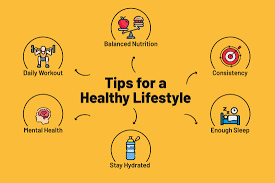
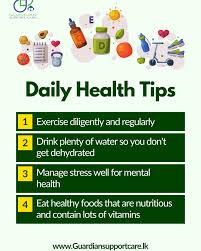
Simple health tips of the day make a real difference. You learned how to stay hydrated, move your body, sleep well, and eat better. Practicing gratitude and managing stress are also key.
Small steps taken consistently build a healthier you. Start with one or two tips today. You’ve got this.